


A tumor is an abnormal mass of tissue formed by the uncontrolled proliferation of cells in the body. Tumors can be benign or malignant. While benign tumors generally do not spread, malignant tumors can metastasize to surrounding tissues and organs.
Benign tumors usually grow slowly and have well-defined borders. They do not damage surrounding tissues but may cause discomfort by exerting pressure on the area where they are located. When removed through surgical intervention, they usually do not recur.
Malignant tumors grow rapidly, can spread to surrounding tissues, and may metastasize to other parts of the body. Early diagnosis is of vital importance in such tumors. Cancerous tumors can be life-threatening and may require complex treatment processes.
Tumor symptoms may include the sensation of a mass, unexplained weight loss, persistent fatigue, pain, bleeding, or impairments in organ functions. Symptoms vary depending on the type and location of the tumor. Biopsy, imaging, and laboratory tests are used for diagnosis.
What Are the Types of Tumors and How Are They Differentiated?
When a mass is detected in a tissue, the first question that comes to our patients’ minds is usually whether it poses a life-threatening risk. We basically divide tumoral masses developing in our body into two main groups according to their behavior patterns, growth rates, and the damage they cause to their surroundings. This distinction is the most critical junction that determines our treatment roadmap.
The first group consists of benign tumors. These masses are generally less aggressive in nature. They grow, but they usually respect the boundaries of their location. They tend to remain within a capsule, and most importantly, they do not have the tendency to mix into the blood or lymphatic circulation and travel to another part of the body.
The second group consists of malignant tumors. This group, which we call cancer, unfortunately does not follow rules. They multiply rapidly, invade the healthy tissues around them, and when given the opportunity, infiltrate the circulatory system and settle in distant organs. However, it should not be forgotten that besides these two groups, there are also structures we call “precancerous,” which have not yet become cancer but carry potential, and their monitoring is just as important as the others.
Do Symptoms of Benign Tumors Pose a Danger?
The word “benign” can sometimes create a false sense of security in patients. The fact that a tumor is not cancer does not mean that it is completely harmless or does not require treatment. Yes, these tumors do not spread in the body, but they can cause serious mechanical problems by growing in their location.
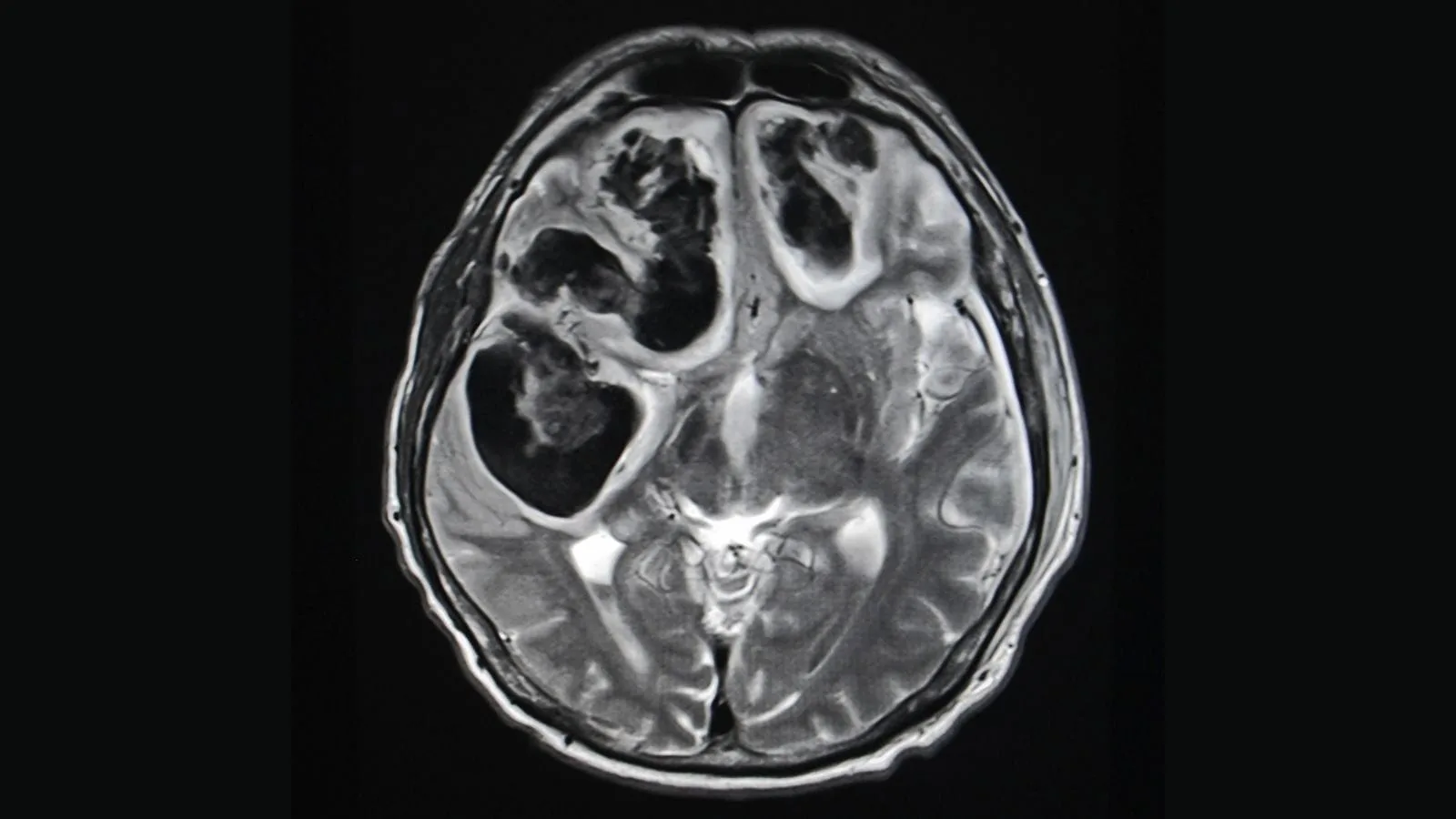
Especially benign tumors that develop in confined spaces without room for expansion, such as the skull, or right next to sensitive organs, can create life-threatening risks with what we call the “mass effect.” For example, a benign mass originating from the meninges may compress brain tissue as it grows, causing paralysis or vision loss. Or benign fibroids in the uterus may lead to severe anemia by causing excessive bleeding.
The main clinical problems caused by benign tumors are as follows:
- Pressure on surrounding tissues
- Pain
- Loss of function
- Cosmetic deformity
- Hormonal imbalances
- Bleeding
- Vascular occlusion
- Nerve compression
How Does a Malignant Tumor (Cancer) Spread?
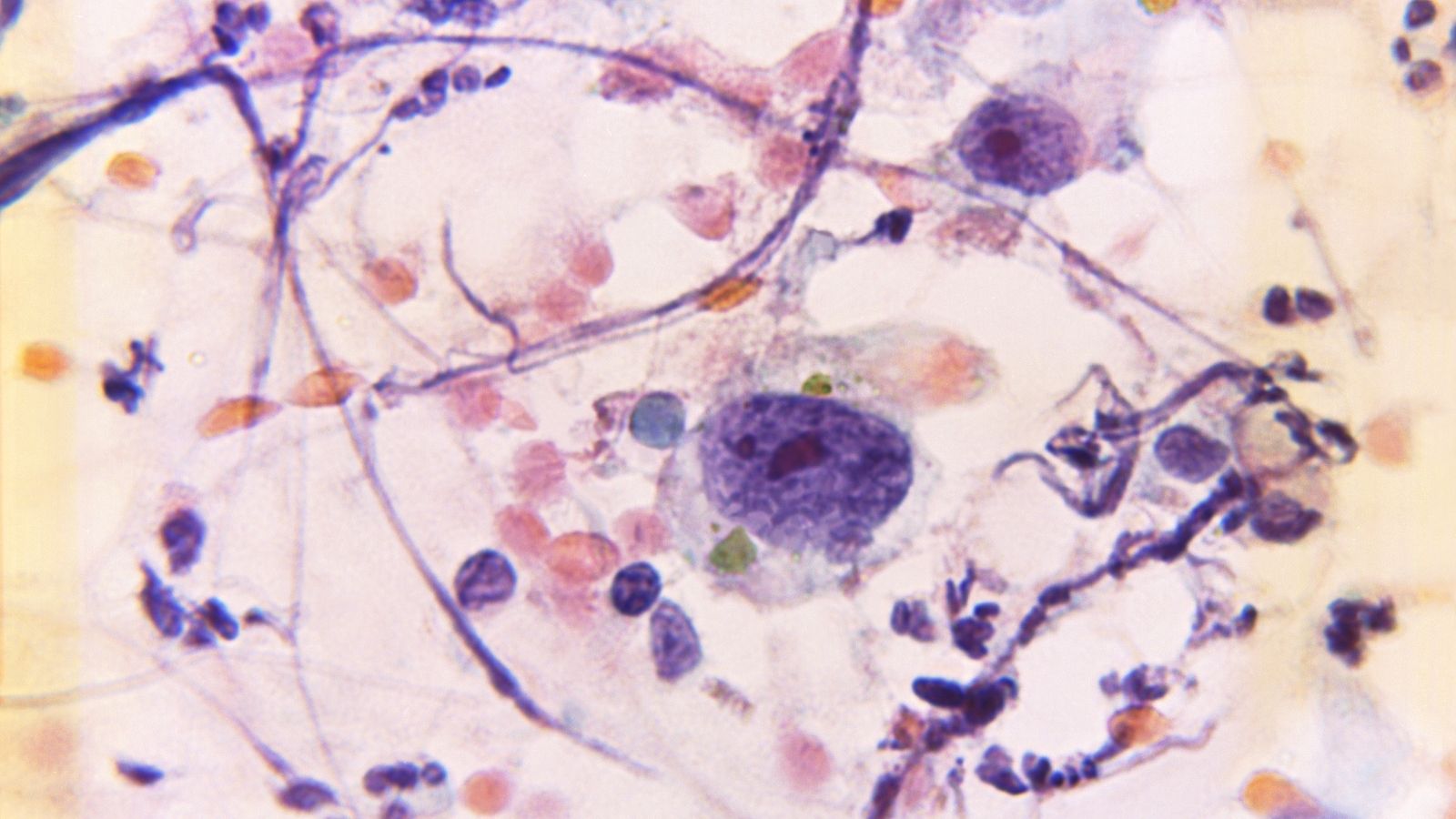
The most frightening aspect of malignant tumors is their biological aggressiveness. These cells have lost the principle that a normal cell possesses of respecting surrounding tissues. When examined at the microscopic level, they exhibit a completely differentiated, shapeless, and irregular structure compared to the tissue they originate from.
The spread of these tumors, namely the “metastasis” process, is quite complex. While the primary mass grows, some cells break away and mix into the blood or lymphatic fluid. These cells, which manage to escape the body’s defense system, travel to organs such as the liver, lungs, or bones and establish new colonies there. This situation transforms the disease from a localized problem into a systemic disease affecting the entire body. Interventional radiology comes into play exactly at this point by reaching these widespread foci that surgery cannot access or intervene in, and applies “targeted” treatments such as chemoembolization or radioembolization.
What Are the General Symptoms Indicating the Presence of a Tumor in the Body?
When a tumor begins to develop in our body, our immune system and metabolism actually start communicating with us. Not only at the location of the mass but also in our overall health, some unexplained changes occur. These conditions, which we call “systemic symptoms” in medical terminology, arise due to the tumor consuming the body’s energy or releasing certain chemical substances.
Especially in cancer types, cells divide so rapidly that they exploit the body’s nutritional reserves. This situation leads to significant weight loss even when the person is not dieting. Additionally, the inflammatory response of the body against the presence of the tumor puts the patient into a cycle of constantly feeling ill.
The general body signals that should be paid attention to are as follows:
- Unintentional weight loss
- Unexplained fever
- Night sweats
- Chronic fatigue
- Loss of appetite
- Change in skin color
- Persistent pain
- Anemia
How Do Tumor Symptoms Vary According to Organs?
In addition to general symptoms, tumors also signal their presence by disrupting the functioning of the organ in which they are located. Each organ responds differently to a tumor because each has its own unique function and anatomical structure. For example, a lung tumor manifests itself by narrowing the airways, while an intestinal tumor causes symptoms by obstructing digestive passage.
It is of vital importance for patients to know their own bodies and recognize abnormal situations for early diagnosis. Often, a simple cough or a change in bowel habits may be the first sign of an underlying mass.
Specific symptoms that may be seen in different organ systems include:
- Persistent cough
- Bloody sputum
- Difficulty swallowing
- Abdominal bloating
- Persistent diarrhea
- Persistent constipation
- Blood in stool
- Headache
- Visual disturbance
- Loss of balance
- Bone pain
- Palpable mass
- Nipple discharge
- Hoarseness
- Blood in urine
Which Biopsy Methods Are Used for Tumor Diagnosis?
When we detect a mass using imaging methods (Ultrasound, CT, or MRI), we need to clarify the identity of that mass in order to plan treatment. Radiological images provide excellent maps about the shape, size, and location of the mass, but only pathological examination can reveal what the cells inside that mass are, their genetic structure, and their level of aggressiveness. This is where biopsy comes into play.
In the past, patients had to undergo surgery even for diagnosis in order to obtain a sample. Today, thanks to interventional radiology, we can take samples by entering through needle punctures without the need to put our patients to sleep or make incisions. With the guidance of the high-tech devices we use, we direct the tip of the needle to the most accurate point of the mass with millimetric precision. This procedure is usually performed under local anesthesia, and the patient can return home the same day.
The biopsy methods we frequently apply are as follows:
- Fine needle aspiration
- Tru-cut biopsy
- Vacuum-assisted biopsy
- Bone marrow biopsy
- Fluid cytology
- Brush biopsy
Is Tumor Treatment Possible with Interventional Radiology?
One of the greatest revolutions in the medical world in recent years is the establishment of the concept of “interventional oncology” in cancer and tumor treatment. Interventional radiology has now been added as a fourth pillar of treatment alongside surgery, chemotherapy, and radiotherapy. Our philosophy here is this: If we can see the exact location of the tumor with millimetric precision, why should we reach it by opening the patient? We can reach it through the vessels or the skin with very thin needles and destroy the tumor in place.
These methods offer a life-saving alternative especially for patients who are elderly, have comorbid diseases, or whose tumors are located in areas that make surgery very risky. Sometimes, we also use them as complementary treatments to shrink the tumor before surgery or to eliminate residual foci after surgery. Our treatments are basically based on two mechanisms: either we destroy the tumor in place with physical energy (heat or cold) (ablation) or we starve the tumor by blocking the vessels that feed it (embolization).
How Are Tumor Burning and Freezing Procedures (Ablation) Performed?
Ablation methods aim to kill the tumor at the cellular level without removing it from the body. The technology we use for this is applied through special needles (probes) that we place in the center of the tumor. While placing these needles, we use imaging methods such as ultrasound or tomography as our “eyes,” thus focusing directly on the target without damaging surrounding tissue.
In hot ablation methods (Radiofrequency or Microwave), the high heat generated at the tip of the needle destroys tumor cells by denaturing their protein structures and ensures their immediate death. In cold ablation (Cryoablation), on the contrary, the tumor is frozen down to -80 degrees. The resulting ice ball breaks apart the tumor cells. The choice of method depends on the size of the tumor, the organ, and its proximity to vessels.
The main conditions in which ablation treatment is used are as follows:
- Liver cancers
- Kidney tumors
- Lung nodules
- Thyroid nodules
- Bone tumors
- Soft tissue tumors
- Prostate cancer
- Pancreatic tumors
How Are Tumors Eliminated with Intravascular Treatments?
Tumors need blood, meaning oxygen and nutrients, in order to survive and grow. In fact, malignant tumors create their own special vascular networks by hijacking the normal vascular structure. As interventional radiologists, we enter the vessels under high-resolution imaging in angiography units. With hair-thin catheters (thin tubes) that we advance through the groin or wrist vessels, we embark on a journey within the body and directly find the specific vessel feeding the tumor.
At this point, with the “Embolization” procedure we apply, we aim for two things: first, to cut off the blood flow of the tumor and starve it. Second, to deliver therapeutic agents directly into the tumor during this blockage process. If we administer high-dose chemotherapy drugs during this procedure, we call it “Chemoembolization (TACE),” and if we send radioactive microspheres to irradiate the tumor from within, we call it “Radioembolization (TARE).”
The conditions in which these treatments are applied and beneficial are as follows:
- Liver cancer
- Colon cancer metastasis
- Breast cancer metastasis
- Neuroendocrine tumors
- Uterine fibroids
- Prostate enlargement
- Renal angiomyolipoma
- Hemangiomas
What Are the Advantages of Non-Surgical Tumor Treatment?
The main reason why interventional radiological procedures have come to the forefront in modern medicine is their ability to perfectly balance “patient comfort” and “safety.” While recovery after traditional open surgeries may sometimes take weeks, in these minimally invasive methods, body integrity is not disrupted.
Since there is no surgical incision, there is no need for sutures; only a small bandage remains at the needle entry site. This significantly reduces the risk of infection and post-procedure pain. In addition, most procedures can be performed without general anesthesia, using only local anesthesia and mild sedation. This is a great advantage especially for patients with heart, lung, or kidney diseases who are at risk from anesthesia.
The main advantages these methods offer to patients are as follows:
- Incision-free procedure
- Suture-free recovery
- Local anesthesia
- Short hospital stay
- Less pain
- Fast recovery
- Low complication rate
- Repeatability
- Cosmetic preservation
- Organ preservation
Frequently Asked Questions
What is a tumor and how does it develop in the body?
A tumor is an abnormal growth of cells that occurs when normal cell regulation is disrupted. Tumors can develop in almost any tissue or organ and may be classified as either benign or malignant.
What is the difference between a benign tumor and a malignant tumor?
Benign tumors generally grow slowly, remain localized, and do not spread to distant organs. Malignant tumors are cancerous, can invade surrounding tissues, and may spread to other parts of the body through metastasis.
What are the most common symptoms of a benign tumor?
Symptoms depend on the tumor’s size and location but may include a painless lump, localized swelling, pressure on nearby structures, discomfort, or changes in organ function if the tumor becomes large.
What are the warning signs that a tumor may be malignant?
Possible warning signs include rapid growth, unexplained weight loss, persistent pain, fatigue, abnormal bleeding, changes in bowel or bladder habits, and symptoms related to invasion of nearby tissues.
Can benign tumors become cancerous over time?
Most benign tumors never become cancerous. However, certain types may have the potential to undergo malignant transformation, which is why regular monitoring or treatment may sometimes be recommended.
How do doctors determine whether a tumor is benign or malignant?
Evaluation may involve physical examination, imaging studies such as ultrasound, CT or MRI scans, and biopsy. Tissue analysis by a pathologist is often necessary to establish a definitive diagnosis.
Can a malignant tumor cause symptoms before it becomes large?
Yes, some malignant tumors can produce symptoms early by affecting organ function, causing bleeding, triggering hormonal changes, or invading nearby tissues even before a noticeable mass develops.
What treatment options are available for benign and malignant tumors?
Treatment varies according to tumor type and location. Options may include observation, surgical removal, medication, radiation therapy, chemotherapy, targeted therapy, or combinations of multiple treatment approaches.
When should a lump or suspected tumor be evaluated by a healthcare professional?
Medical evaluation is recommended for any persistent, enlarging, painful, or unexplained lump, especially if accompanied by systemic symptoms such as weight loss, fatigue, fever, or abnormal bleeding.
Does having a tumor always mean a person has cancer?
No, the term tumor simply refers to an abnormal tissue growth. Many tumors are benign and noncancerous, while others are malignant. Proper medical assessment is required to determine the exact nature of a tumor.

Prof. Dr. Özgür Kılıçkesmez is one of Türkiye’s leading interventional radiology and neuroradiology specialists, focusing on minimally invasive endovascular treatments. His primary areas of expertise include aneurysm and stroke treatments, embolization procedures, non-surgical treatments of thyroid and parathyroid diseases, interventional oncology, and peripheral vascular interventions. He currently serves as the Head of the Interventional Radiology and Neuroradiology Department at Istanbul Memorial Göztepe Hospital.
Graduating from Istanbul University Cerrahpaşa Faculty of Medicine in 1997, Prof. Dr. Kılıçkesmez received advanced training in interventional radiology and oncology as a Clinical Fellow at London Guy’s & St Thomas’ and King’s College Hospital between 2012 and 2013. He earned the title of Professor in 2020 and, in the same year, became the Founding Interventional Radiologist at SBÜ Çam and Sakura City Hospital. He also holds the EBIR (European Board of Interventional Radiology) certification.
Prof. Dr. Kılıçkesmez has 94 international and 40 national publications and over 2500 citations. He serves as a reviewer for prestigious journals such as the American Journal of Roentgenology (AJR) and Diagnostic & Interventional Radiology. With his clinical and academic expertise, he is a nationally and internationally recognized authority in stroke treatment, brain aneurysm, embolization, tumor ablation, and minimally invasive treatments of thyroid/parathyroid diseases.







Vaka Örnekleri