


Reviews from people who have undergone PRP knee treatment are shaped by whether the procedure is planned entirely according to individual needs. Individuals who undergo this process following an appropriate medical evaluation clearly state that their quality of life has visibly improved.
The most prominent common point in patient experiences is the great sense of freedom created by allowing the body to repair itself naturally. Patients whose treatment is supported by their own blood cells express that they find the process much more reliable.
The feedback reflected in our clinical practice shows that this approach aims for long-term health rather than merely providing a temporary solution. Individuals find this step, which enables their tissues to regenerate instead of providing temporary relief, extremely meaningful.
Of course, maintaining realistic expectations from the outset is the main factor determining the overall satisfaction rate. When steps appropriate to the body’s healing capacity are taken, patients strongly emphasize that they return to their routine daily lives pain-free and with enjoyment.
How Do People Who Have Undergone PRP Knee Treatment Describe the Process of Pain Reduction in Their Reviews?
When we look at the experiences shared by patients who have achieved positive results after treatment, we see that restrictive movements in daily life become significantly easier. As you know, knee osteoarthritis most commonly manifests itself through a sharp, stabbing sensation when going up and down stairs or squatting and standing up. People who benefit from this treatment explain that they can bear the load placed on their knees more comfortably as the weeks pass. Since a cellular repair process progresses slowly, this relief may not occur immediately. Patients generally state that they do not feel a major difference during the first few days, but their pain gradually decreases over the following weeks. As the body’s own repair mechanism becomes balanced over time, nighttime aching that interrupts sleep even while resting is also frequently reported to subside. This positive process may also be reflected in the patient’s psychological well-being, helping them develop a more positive outlook on life. The changes patients notice most in their experiences are as follows:
- Reduction in nighttime pain
- Greater ease when going up and down stairs
- Reduction in morning stiffness
- Increased walking distance
- Overall improvement in mobility
What Does the Feeling That My Knee Has Become Lubricated, Frequently Mentioned in Reviews from People Who Have Undergone PRP Knee Treatment, Mean?
Many patients say that, after a certain period following the injection, the dry, frictional, and uncomfortable sensation inside their knee disappears. They often use very realistic descriptions, such as feeling as though fluid has entered their knee, as if their joint has become lubricated, or that the creaking sounds they used to hear while moving have decreased. These expressions actually indicate that things are gradually beginning to improve within the enclosed environment of the knee. The growth factors produced by our bodies greatly help soothe chronic inflammation within the joint. As a result, the quality and lubricating properties of the joint’s own natural fluid begin to improve again. This feeling of lubrication may somewhat slow down the damage caused by worn cartilage surfaces rubbing against each other. Patients perceive this biological change externally in the following ways:
- Noticeable reduction in the sensation of catching
- Reduction in joint sounds
- Decreased sensation of friction
- Ability to move smoothly
- Feeling of softness in the kneecap
Why Do Some People Consider the Procedure a Waste of Time in Reviews from Those Who Have Undergone PRP Knee Treatment?
When you browse experiences on the internet, you also encounter a group of people who received this injection with great hopes but ultimately experienced disappointment. The main reason for this is the stage of the disease. If osteoarthritis has already reached its final stages, the cartilage tissue has become extremely thin, and the bones have begun rubbing against each other, the cells administered to that area cannot medically be expected to create new cartilage from scratch. Performing this procedure in cases of end-stage osteoarthritis may only provide the patient with a temporary sensation or may not work at all. Another common reason for the lack of benefit is the cellular quality of the prepared plasma. Blood separated using substandard tubes and containing insufficient healing cells may fail to trigger the expected healing response in the joint. The main reasons behind the reports of unsuccessful outcomes that stand out in shared experiences are as follows:
- Advanced-stage osteoarthritis
- Poor-quality separation kits
- Insufficient cell concentration
- Excess body weight
Why Do Reviews from People Who Have Undergone PRP Knee Treatment Without Imaging Generally Mention Failure?
One of the most critical factors determining the outcome of treatment is where the regenerative fluid is delivered inside the knee. With blind injections performed based only on a physical examination and external estimation, there is always a possibility that the medication will not reach the cartilage space where it is actually intended to go. Every person’s knee structure, weight, and anatomical narrowing caused by osteoarthritis are different. The tip of the needle may end up in the subcutaneous tissue or between the knee ligaments rather than at the intended target. When the medication does not reach the damaged area, the healing potential naturally decreases, and patients state that they have not experienced any benefit. In high-resolution ultrasound procedures performed by interventional radiology specialists, however, the needle is monitored in real time on the screen. The aim is to ensure that the medication is delivered directly to the target. The main advantages of the ultrasound method in clinical practice are as follows:
- Millimeter-precise medication delivery
- Protection of surrounding tissues
- Reduced risk of missing the target
- Clear visualization of the joint space
Are Swelling and Aching After the Procedure, Mentioned in Reviews from People Who Have Undergone PRP Knee Treatment, Normal?
One of the conditions that causes patients the most concern and uncertainty after treatment is the sensation of tightness, mild swelling, and warmth in the knee during the first few days. Many people panic and begin researching the issue, thinking that the procedure was performed incorrectly. However, this short-term flare-up is generally a very natural sign that the body has initiated the repair process. When concentrated cells enter the joint, they create a controlled response to activate the inactive tissues in the area. This response may be the first step in the healing process. However, patients who are not fully aware of this process may accidentally slow down the valuable cellular activity in the area by taking anti-inflammatory medications indiscriminately as painkillers. The conditions patients most frequently experience during this temporary adjustment period are as follows:
- Localized feeling of tightness in the knee
- Temporary increase in warmth
- Mild aching
- Feeling of fullness in the joint
- Short-term stiffness
Why Do People Who Have Undergone PRP Knee Treatment Using the Conventional Method Complain About Severe Pain in Their Reviews?
If you look at what patients say about their experiences during the procedure, you may notice that some find it quite painful. This difference is closely related to the technology and approach used by the physician performing the procedure. When an injection is administered without an imaging device, the tip of the needle may come into contact with the periosteum, which is covered with extremely sensitive nerves, or cartilage that has become highly sensitive due to friction. This can create a painful sensation for patients. In ultrasound-guided procedures routinely performed in interventional radiology clinics, however, a safe path is planned on the screen to prevent the needle from touching nerves or bone. The patient generally feels only the slight pressure associated with administering the medication or a minor ache. The contributions of ultrasound-guided injections to patient comfort are as follows:
- Prevention of contact with the periosteum
- Reduced risk of nerve injury
- Reduction in procedural pain
- Provision of psychological comfort
What Picture Emerges When Reviews from People Who Have Undergone Cortisone and PRP Knee Treatments Are Compared?
The experiences of people who have received both cortisone injections and cellular therapy for knee osteoarthritis follow quite different courses. Those who have experienced cortisone treatment frequently explain that their pain decreased significantly the day after the injection, but the same pain returned a few months later. The main reason for this is that cortisone temporarily calms the inflammation and alarm system in the area but does not biologically repair the tissue structure. Patients describing cellular plasma treatment, on the other hand, say that they do not experience such sudden numbness during the first few days. However, they state that their knees gradually recover as the weeks pass and that this relief can last for months. While one helps provide a temporary solution by masking the pain, the other attempts to establish tissue balance by activating the body’s own repair potential. The differences between the two methods that we have identified from patients’ experiences are as follows:
- Rapid but temporary effect of cortisone
- Slow but long-term objectives of cellular therapy
- Immediate sensation of numbness with cortisone
- Gradual feeling of repair with plasma
- Different biological objectives of the methods
What Alternatives Do People with Advanced-Stage Osteoarthritis Discuss in Their Reviews When They Do Not Benefit from PRP Knee Treatment?
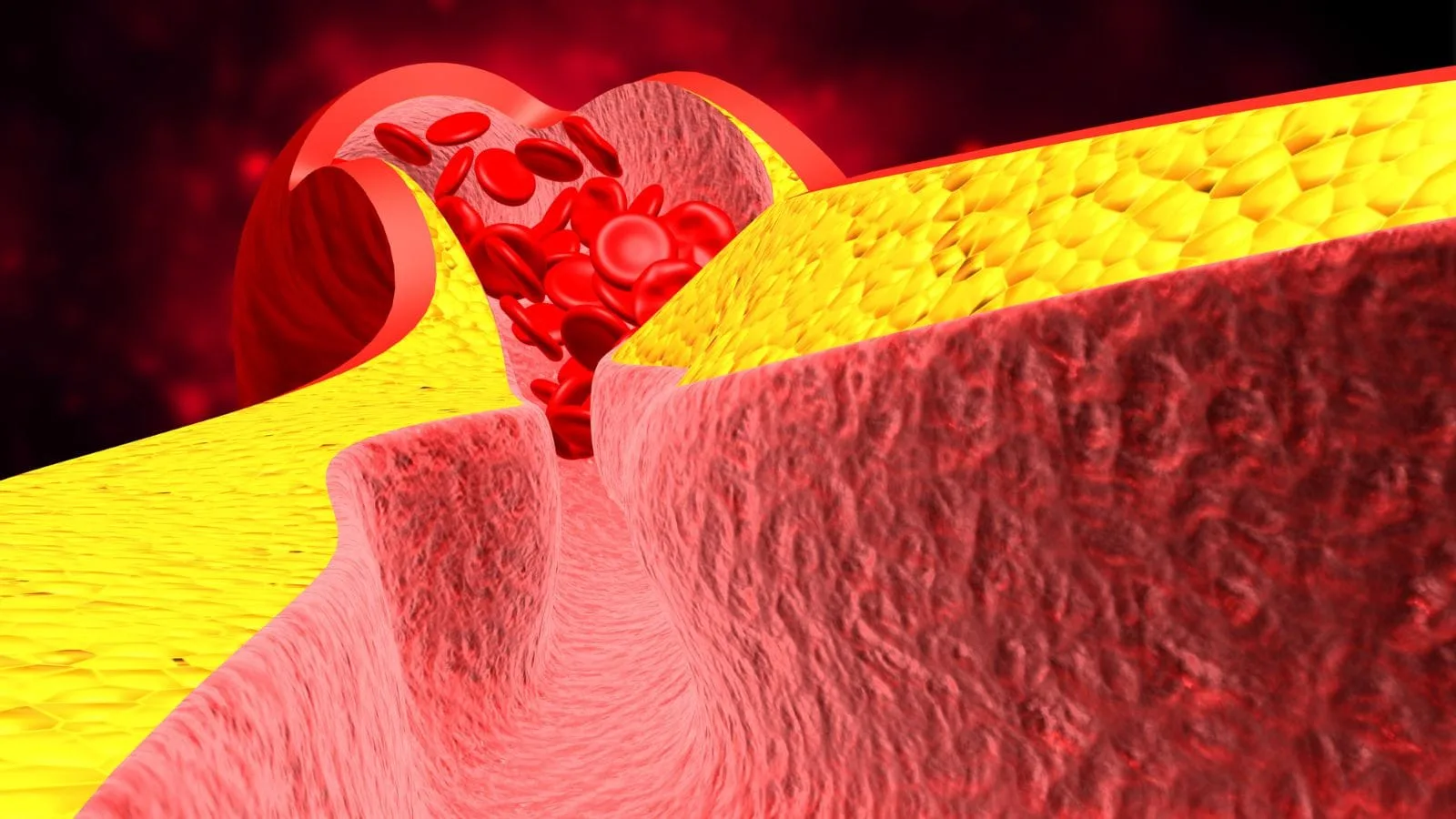
Sometimes the osteoarthritis process has progressed so far that the cartilage in the joint has become irreversibly thin. These patients may not experience the substantial benefit they expected from cellular plasma injections. However, they may also be unwilling to undergo open knee replacement surgery because of their advanced age, existing medical conditions, or entirely personal preferences. At this point, nonsurgical knee angiography, namely the Genicular Artery Embolization method, skillfully performed by interventional radiologists, is frequently mentioned in the reviews of patients who feel they have run out of options. In advanced osteoarthritis, the main cause of pain is not simply the lack of cartilage; it is also the abnormal networks of capillary blood vessels that develop later inside the knee and continuously sustain inflammation in the area.
In a modern angiography unit, the interventional radiology specialist accesses these diseased clusters of blood vessels directly in the knee by entering through the groin with a hair-thin instrument, without needing to put the patient to sleep. Without damaging healthy tissues, the aim is to block only those abnormal blood vessels that sustain the pain using special particles. As the vascular source of inflammation decreases, the pain nerves in the knee may gradually become desensitized and calm down. Patients generally state that this process is much less physically demanding compared to open surgery. The observations we have drawn from the experiences shared by those who have undergone this modern treatment, which can be a good alternative for patients with advanced-stage disease, are as follows:
- Ability to be discharged on the same day
- Noticeable relief from persistent pain
- Comfort of an incision-free procedure
- Rapid recovery without stitches
- Early return to daily life






Vaka Örnekleri