


Non-Surgical Lower Back and
Neck Hernia Treatments
Among ozone, radiofrequency, or laser discectomy methods, the one suitable for the person is selected, and a shrinking procedure (pharmaco-thermal regression) is performed by entering the hernia with a needle. Within about 3 months, the hernia regresses and nerve compression decreases.

Non-Surgical Thyroid
Treatment
By entering through the skin (Radiofrequency, Microwave, Cryoablation), treatment is provided non-surgically in 30 minutes by burning the nodule (ablation) or, in very large goiters and also in Basedow Graves disease, by the embolization method. Nodules shrink and symptoms are relieved, and patients do not use thyroid medication.

Cancer Diseases
Treatments
In cancer treatment, with interventional radiology methods, targeted therapies can be applied directly to the tumor. Treatment is carried out while preserving healthy tissues with methods such as chemoembolization, in which the tumor-feeding vessels are blocked, and radiofrequency and microwave ablation. These treatments can be safely used in suitable patients who are not eligible for surgery or who need additional treatment.

Erectile Dysfunction
Treatment
Most of the organic erection problem is caused by vascular erectile dysfunction. At young ages, it is mostly due to venous leaks, and embolization can be performed. Those of arterial origin occur at older ages. Treatment of blocked vessels with a balloon or stent is targeted.

Brain Vascular
Disease Treatment
Diseases such as cerebral vascular occlusions, aneurysms, and vascular malformations can be treated non-surgically in suitable patients with angiographic methods. Thanks to balloon, stent, and coil applications, blood flow is regulated through intravascular interventions and brain tissue is preserved. Early diagnosis and rapid intervention significantly reduce the risk of permanent damage.
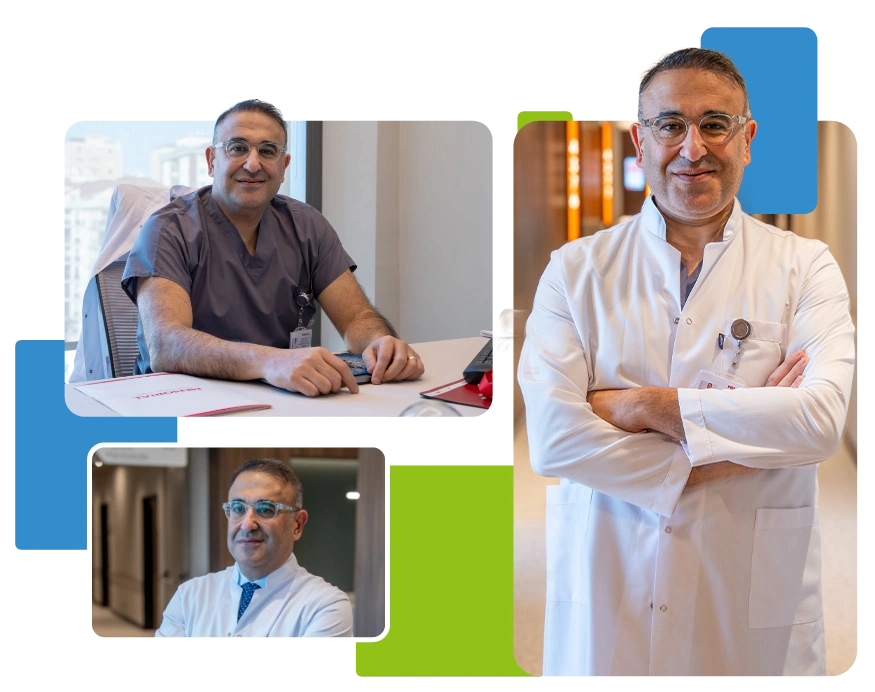
PROF. DR.
Özgür KILIÇKESMEZ
Özgür KILIÇKESMEZ

Turkey’s Interventional Radiology and Neuroradiology Doctor
Prof. Dr. Özgür Kılıçkesmez, with the goal of being one of the best Interventional Radiology and Neuroradiology doctors in Istanbul and throughout Turkey, offers treatment opportunities equipped with high technology to patients coming both from within the country and from abroad.
Patients coming to Istanbul from Europe, the Middle East, and many countries are treated with non-surgical and minimally invasive methods in many areas such as cerebral vascular occlusions, stroke treatment, cerebral aneurysms, tumor embolizations, liver ablations, varicose vein and vascular interventions.
Go to About Me Page Contact via WhatsApp


Treatments
Prof. Dr. Özgür Kılıçkesmez is an experienced interventional radiology doctor in Istanbul who applies minimally invasive methods in the diagnosis and treatment of vascular and organ diseases. He offers safe and effective treatment solutions that do not require surgery, accompanied by modern imaging systems.
Interventional radiology includes procedures such as angiography, embolization, biopsy, tumor ablation, and the treatment of varicose veins and vascular occlusions. Prof. Dr. Özgür Kılıçkesmez performs these procedures with high precision under the guidance of ultrasound, computed tomography (CT), and angiography.
As an experienced interventional radiology doctor, Prof. Dr. Özgür Kılıçkesmez applies minimally invasive techniques as an alternative to surgery in liver tumors, uterine fibroids, kidney, and vascular diseases. These methods provide less pain, a shorter recovery period, and a low risk of complications for the patient.
Prof. Dr. Özgür Kılıçkesmez creates a personalized treatment plan for each patient. With his multidisciplinary approach, he collaborates with specialists in oncology, cardiovascular surgery, and neurology to offer the most appropriate solution. The goal is effective, safe, and patient-comfort-oriented treatment.

Non-Surgical Treatment for Lumbar and Cervical Herniated Discs
Most lumbar and cervical herniated discs can be treated with methods that do not require surgery…
Read More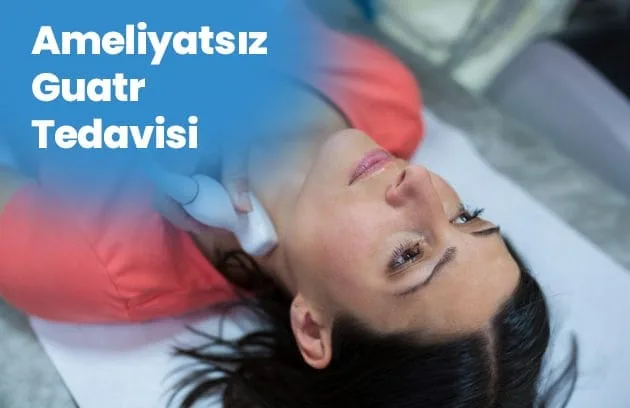
Non-Surgical Goiter Treatment
Goiter is the enlargement of the thyroid gland for various reasons, sometimes…
Read More
Solution for Lower Back Pain
Individuals suffering from lower back pain often struggle with their daily activities…
Read More
TIPS (Transjugular Intrahepatic Portosystemic Shunt)
The TIPS, or Transjugular Intrahepatic Portosystemic Shunt procedure…
Read More
Permanent Solution for Knee Pain
Excess weight and advancing age lead to degenerative problems in the knees…
Read More Angioembolization for Shoulder Pain
Shoulder pain can arise from various causes, and these pains…
Read More

Non-Healing Diabetic Foot Ulcers
Diabetic foot ulcers occur in individuals suffering from diabetes…
Read More
Opening of Dialysis Fistula Occlusions
Fistula occlusions are a serious problem for dialysis patients. These occlusions…
Read More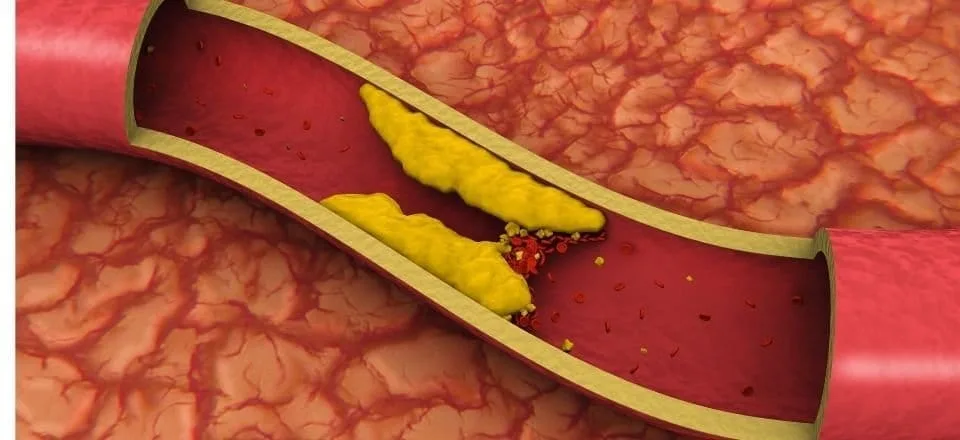
Vascular Occlusion
Atherosclerosis occurs when fatty layers accumulate on the arterial walls…
Read More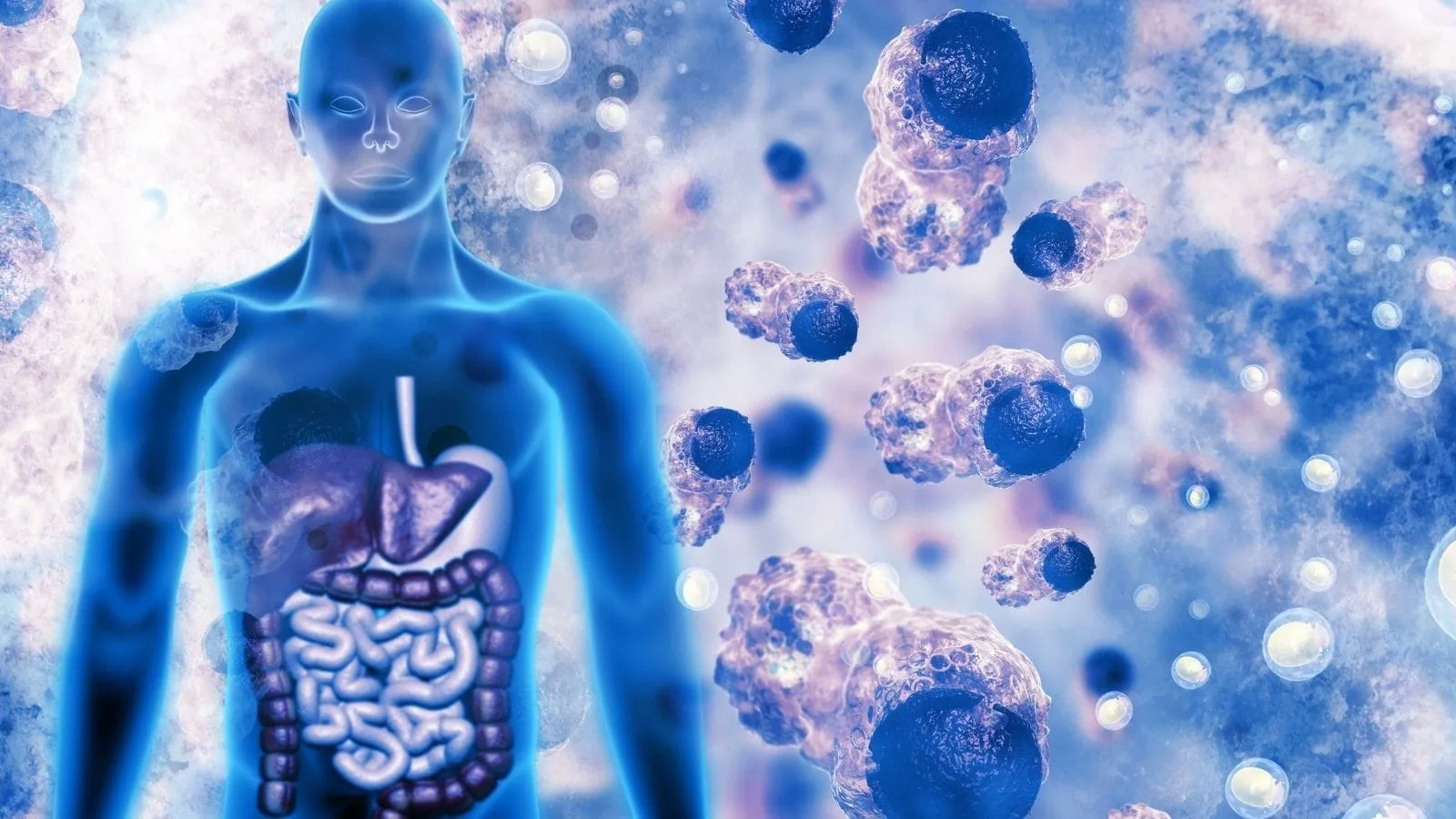
Cryoablation
Cryoablation is a medical treatment method, especially preferred in cancer treatment…
Read More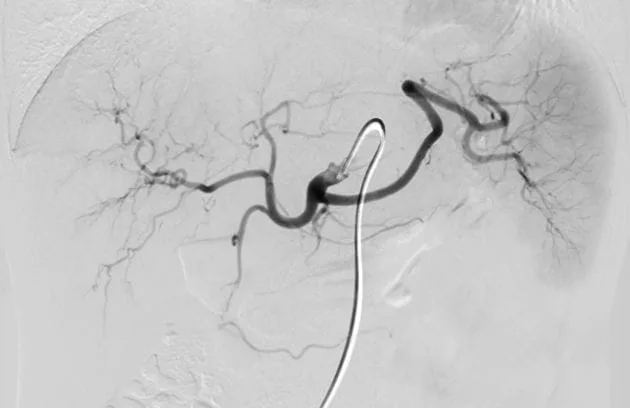
Chemoembolization
During chemoembolization, special substances are delivered to the vessels feeding the cancerous tissue…
Read More
Hemangioma
Hemangioma is a benign vascular lesion seen in approximately 2% to 3% of newborns…
Read More
Hemorrhoidal Embolization
Individuals experiencing rectal (anal) bleeding due to hemorrhoids/piles…
Read More
Radioembolization
Radioembolization treatment is an innovative method in the fight against tumors such as liver cancer…
Read More
Prostate Embolization
Prostate embolization (PAE) involves the interventional radiologist accessing the prostate arteries…
Read MoreVideos
Frequently Asked Questions
Which diseases does an Interventional Radiology doctor play a role in treating?
Interventional radiology doctors play a role in the diagnosis and treatment of various diseases through minimally invasive procedures performed under imaging guidance. Liver tumors, varicocele, uterine fibroids, peripheral vascular occlusions, cerebrovascular diseases (e.g., aneurysm, AVM), bile duct and urinary tract obstructions, lung nodules, kidney cysts, intravascular clots (DVT), port catheter placement, tumor biopsies, and treatments such as ablation or embolization in certain types of cancer fall within this specialty.
Who should consult an Interventional Radiology doctor?
Patients with vascular occlusion, varicose veins, liver tumor, thyroid nodule, aneurysm, hemangioma, lower back or neck hernia, complaints due to joint degeneration, or a need for biopsy are generally referred to interventional radiology specialists.
What is the difference between an Interventional Radiology doctor and a conventional surgeon?
While surgeons intervene with open surgery, interventional radiologists shorten the recovery time by applying treatment under imaging guidance through entry points the size of a needle hole. Anesthesia is not required, and patients are discharged the same day.
Which imaging techniques does an Interventional Radiology doctor use?
Interventional radiology doctors use advanced imaging techniques such as ultrasonography (USG), computed tomography (CT), magnetic resonance imaging (MRI), fluoroscopy (live X-ray imaging), and angiography. These methods enable minimally invasive procedures such as vascular access, biopsy, tumor treatments, and clearing obstructions to be performed accurately and safely.
How is a referral to an Interventional Radiology doctor made?
A referral to an interventional radiology doctor is usually made by the specialist physician the patient first consults. Patients evaluated in fields such as oncology, gastroenterology, urology, orthopedics, cardiology, neurology, or general surgery and who require minimally invasive intervention are referred to interventional radiology in line with appropriate imaging and laboratory findings. The referral process takes place as an application to the interventional radiology unit together with a consultation request, a discharge summary report, and the results of the necessary tests.
In which situations does an Interventional Radiology doctor perform emergency intervention?
In life-threatening situations such as acute vascular occlusion, internal bleeding, aneurysm bleeding in a cerebral vessel or pulmonary embolism, and coughing up blood, the interventional radiologist intervenes rapidly.
Which cancer treatments does an Interventional Radiology doctor take part in?
Interventional radiology doctors play an active role in the treatment of various types of cancer such as liver (hepatocellular carcinoma, metastases), kidney, lung, pancreas, and bone tumors. The main treatment methods applied in this specialty include **embolization (e.g., TACE, Y-90)**, which shrinks tumors by blocking tumor vessels, **ablation (e.g., RFA, MWA, cryoablation)**, which destroys cancer cells using high heat or freezing, and procedures that support chemotherapy such as port catheter placement. These methods often provide an effective alternative, especially in patients who are not suitable for surgery.
Does an Interventional Radiology doctor provide an advantage in non-surgical treatment?
Yes, interventional radiologists offer the advantages of less pain, a shorter hospital stay, and rapid recovery by treating diseases via needle or catheter without the need for surgery.
How long does the specialist training of an Interventional Radiology doctor take?
After medical school, 5 years of radiology residency is required, followed by 2 years of training in interventional radiology. Thus, physicians specialized in this field perform treatments under advanced imaging guidance.
Which diseases does an Interventional Neuroradiology doctor treat?
Interventional neuroradiology doctors play a role in the diagnosis and treatment of brain, spinal cord, and intracranial vascular diseases. Aneurysm (vascular ballooning), arteriovenous malformation (AVM), brain hemorrhages, vascular occlusions and stroke (paralysis), carotid and vertebral artery stenosis, dural fistulas, embolization for brain tumors, spinal vascular anomalies, spinal hemorrhages, and procedures for spinal fractures such as vertebroplasty/kyphoplasty fall within this field. In the treatment of these diseases, minimally invasive techniques are applied under the guidance of angiography and other imaging methods.
Which procedures does an Interventional Neuroradiology doctor perform?
Interventional neuroradiology doctors perform minimally invasive interventional procedures such as coiling and stenting of brain aneurysms, embolization of arteriovenous malformations (AVM) and dural fistulas, mechanical thrombectomy in acute stroke treatment, stenting in carotid and vertebral artery stenosis, preoperative embolization for brain tumors, vertebroplasty and kyphoplasty in spinal fractures, treatment of spinal vascular malformations, and biopsy and drainage procedures for the brain and spinal cord region. These procedures are generally performed under the guidance of imaging techniques such as angiography and carry a lower risk compared to surgery.
Does an Interventional Neuroradiology doctor perform procedures in children as well?
Yes, interventional neuroradiological procedures can also be performed in children due to congenital cerebral vascular malformations, especially vein of Galen malformation, tumors, or spinal problems.
What is the difference between an Interventional Neuroradiology doctor and a neurosurgeon?
While a neurosurgeon intervenes with open surgery, an interventional neuroradiologist enters through the vessels and applies treatment under imaging guidance. This method is less invasive and shortens the recovery time.

MEMORIAL
Göztepe Hospital
Working Hours
| Monday | 9:00 – 17:00 |
| Tuesday | 9:00 – 17:00 |
| Wednesday | 9:00 – 17:00 |
| Thursday | 9:00 – 17:00 |
| Friday | 9:00 – 17:00 |
| Saturday | 9:00 – 15:00 |
| Sunday | Closed |