


When examining the reviews of patients who have undergone cerebral angiography, the vast majority state that the procedure was extremely comfortable and safe, contrary to what they had expected. Accounts shared on digital platforms demonstrate that unfounded fears based on hearsay are unnecessary.
In society, this intravascular imaging method is frequently confused with major surgical operations. However, individuals sharing their clinical experiences emphasize that the process is managed quite comfortably thanks to advanced technological equipment.
These modern procedures performed by interventional radiology specialists follow precise standards that support patient psychology. People sharing their experiences underline the strong sense of confidence created by the medical team’s professional approach.
These positive reviews shared on health forums help eliminate concerns about the diagnostic stage of diseases. For patients preparing to undergo the procedure, these transparent accounts become an invaluable source of encouragement.
How is the fear of stroke before the procedure reflected in the reviews of patients who have undergone cerebral angiography?
From the moment the decision to undergo the procedure is made, the emotion patients share most frequently is anxiety about extreme scenarios such as suffering a stroke or dying on the operating table. When people hear that the blood vessels leading to the brain will be accessed, they may mistakenly imagine that holes will be drilled into their skulls or that sharp surgical instruments will directly touch their brain tissue. Unfortunately, some unfounded articles and stories circulating online without identifiable sources can further increase this sense of panic. Many patients state that the minutes spent in the waiting room were more distressing than the procedure itself.
However, when we examine the accounts of those who have undergone the procedure, we see that the experience unfolds quite differently. Thanks to relaxing medications administered intravenously in the procedure room, as part of a technique called sedoanalgesia, this intense stress can largely be brought under control. These short-acting medications help suppress anxiety while allowing the patient to continue breathing normally. The concerns most frequently expressed by patients before the procedure are as follows:
- Fear of suffering a stroke
- Misconception that the skull will be opened
- Concern about being unable to tolerate the procedure
- Fear of experiencing a panic attack
- Expectation of unbearable pain
Contrary to these fears, patients generally express relief after the procedure, saying that they had worried unnecessarily. The mild state of drowsiness induced by the medication helps make the process more tolerable and peaceful.
What do reviews of patients who have undergone cerebral angiography tell us about pain during the procedure?
One of the issues that patients and their relatives are most curious about is how painful the procedure will be. When reviews are examined, it becomes apparent that the only moment patients describe as painful is the small injection of local anesthetic administered to the entry site in the groin or wrist. Patients express surprise that the extremely thin catheters do not cause any cutting or stabbing pain as they pass through the neck or cerebral blood vessels. Only a barely noticeable pressure or a slight sensation of touch may be felt at the entry site.
As we know, the inner surfaces of the arteries in our bodies do not contain nerve endings that detect pain and transmit it to the brain. Therefore, movement inside the blood vessels does not cause the patient to feel pain. The main sensations experienced by patients during the procedure are as follows:
- Stinging from the local anesthetic injection
- Mild pressure at the entry site
- Sensation of touch
- A vague pulling sensation
The extremely thin instruments used during interventional procedures and the identification of vascular access with the assistance of ultrasound devices help minimize tissue damage. As the skin surface becomes numb within seconds, patients generally report having a painless experience. This also aims to prevent unnecessary patient movement and ensure that the imaging process is completed properly.
How is the sudden wave of warmth experienced by patients described in reviews of cerebral angiography?
Almost everyone who has undergone the procedure clearly remembers the moment when a special contrast dye is injected into the blood vessel to enable imaging. Patients describe these few seconds in very different ways in their reviews. Some say they felt as though warm water had been poured over their heads, while others report a sudden sensation of heat spreading across their faces. Some individuals also describe experiencing a brief flash of light behind their eyes or a slight metallic taste in their mouths.
This wave of warmth results from a temporary vascular dilation response caused by the contrast agent used to visualize the structure of the blood vessels in detail. This sensation is a completely natural part of the process and does not cause harm. The kidney-friendly contrast agents used today are designed to minimize this feeling of discomfort as much as possible. Since patients are informed beforehand that they may experience this sensation, panic can be prevented and the procedure can proceed more smoothly. The temporary sensations encountered during the procedure that are considered normal are as follows:
- Sudden warmth in the face
- Flashes of light behind the eyes
- Metallic taste in the mouth
- Feeling of warmth in the throat
At the end of the procedure, the contrast agent is largely eliminated from the body through urine with the help of fluids administered intravenously.
What differences are highlighted in the reviews of patients who have undergone cerebral angiography through the groin or wrist?
One of the most important factors determining the overall comfort of the procedure is whether it is performed through the groin or the wrist. When examining patient experiences shared online, it becomes apparent that complaints about procedures performed through the groin are more often related to the requirement to lie flat on the back for several hours afterward rather than the procedure itself. The weight of the sandbag placed over the area and the inability to move can be frustrating for patients.
In contrast, patient satisfaction appears to be quite high with procedures performed through the wrist. Patients who have undergone the procedure through the wrist praise their ability to get up from the table and walk immediately, as well as meet their personal needs without depending on a caregiver. Thanks to the strong bone tissue located directly beneath the artery in the wrist, stopping bleeding after the procedure becomes much more practical and safe. Some practical advantages of procedures performed through the wrist are as follows:
- Ability to walk early
- Ability to use the toilet comfortably
- No need for a sandbag
- Earlier discharge from the hospital
- Avoidance of back or lower back pain
Of course, access through the groin may be necessary in certain special treatment situations or depending on the structure of the blood vessels. Even in such cases, vascular closure devices offered by modern medicine can significantly shorten the time patients need to remain in bed compared with the past.
How do hospitalization and discharge after the procedure progress according to reviews of patients who have undergone cerebral angiography?
The hours of recovery following the procedure are another topic frequently discussed on patient forums. In procedures performed solely for diagnostic purposes, the length of the hospital stay is not as long as commonly assumed. Complaints frequently mentioned in reviews include lower back pain and numbness caused by immobility, but these do not result in permanent problems. While patients who previously had to remain in bed for hours complain about being confined to bed, modern same-day hospitalization practices provide considerable relief.
Thanks to next-generation medical dressings and compression wristbands used to stop bleeding after the procedure, tissue flexibility is largely preserved. Patients can generally be discharged home after a few hours of observation. The practices patients are advised to follow during recovery at home are as follows:
- Drinking plenty of water
- Avoiding strain on the treated area
- Avoiding lifting heavy objects
- Avoiding strenuous exercise
- Taking light walks
Experiencing a mild headache or general fatigue during the first few days after the procedure may be considered normal. Such complaints can largely be relieved with mild painkillers recommended by the physician, helping the patient return to normal life.
What are the reviews of patients who have undergone cerebral angiography and chosen minimally invasive treatment instead of open brain surgery?
The experiences of individuals diagnosed with serious conditions such as aneurysms or vascular malformations in the cerebral blood vessels further highlight the importance of interventional methods. Many diseases that could previously be treated only through open surgery can now be treated using minimally invasive endovascular techniques. When examining the reviews of patients who have experienced these methods instead of open surgery, feelings of gratitude and surprise are clearly evident.
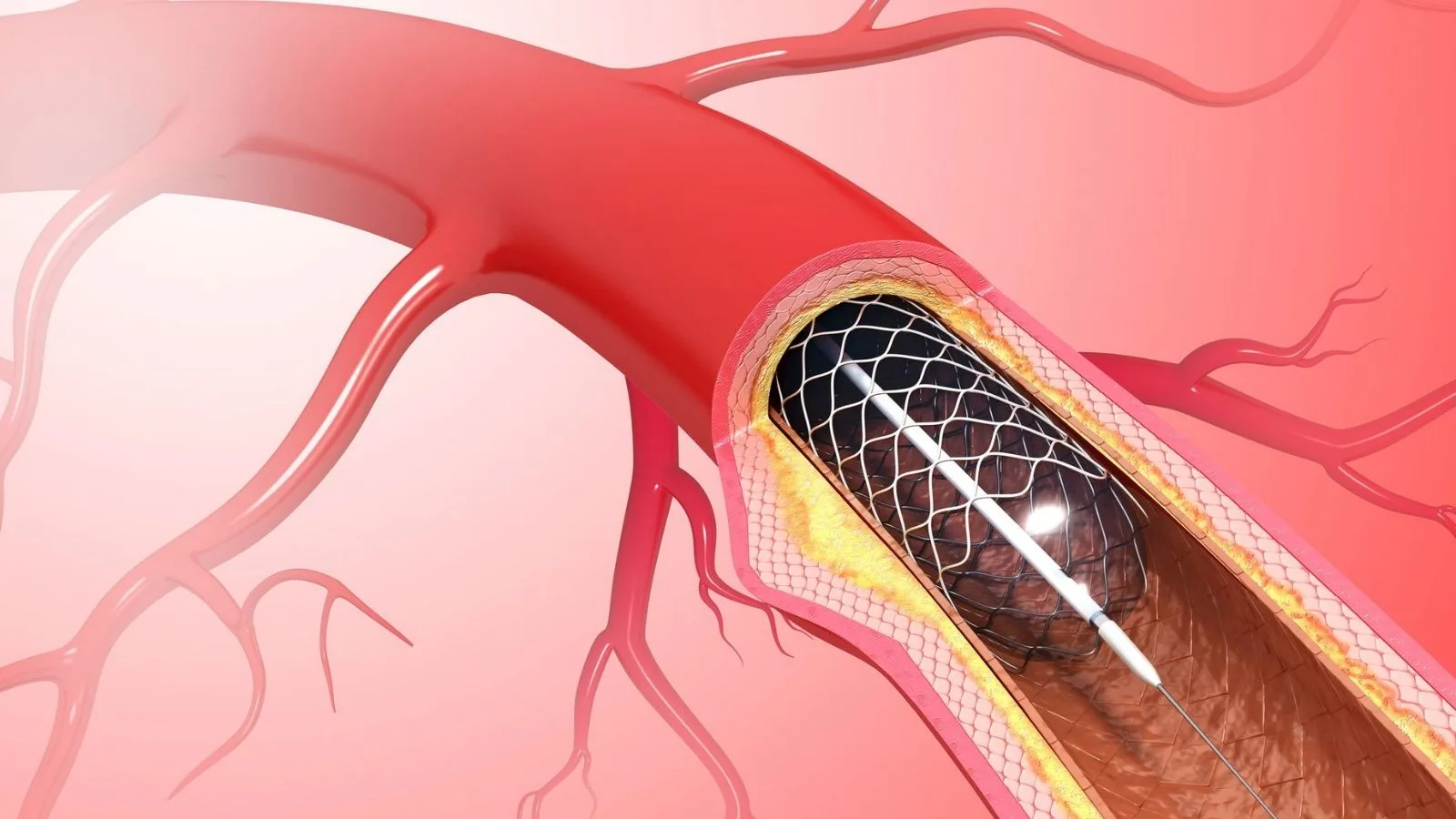
The fact that the skull does not need to be opened, the hair does not have to be shaved, and there are no stitches on the head are among the details that patients appreciate most. Minimally invasive procedures aim to repair the affected area from within by accessing it through the groin or wrist using extremely thin instruments. The aspects patients are most satisfied with regarding minimally invasive methods are as follows:
- Absence of surgical scars
- No need to shave the hair
- No intervention involving the skull bone
- Shorter stay in intensive care
- Rapid return to daily life
Instead of the prolonged recovery periods that open surgeries may require, patients can generally recover much more quickly with endovascular methods. Thanks to the detailed vascular maps provided by three-dimensional imaging devices, efforts are made to accelerate recovery by reducing the risk of damage to healthy tissues. The positive experiences shared by patients on forums continue to provide hope for other individuals struggling with serious diseases.






Vaka Örnekleri