


The recovery process after a brain hemorrhage varies depending on the type, extent of the bleeding, and the patient’s overall health condition. While the first days focus on controlling life-threatening risks, the later period aims at regaining neurological functions. The process may vary from weeks to months.
The rehabilitation process after a brain hemorrhage includes physical therapy, speech therapy, and neuropsychological support applications. Sequelae such as motor loss, balance disorders, and speech difficulties are addressed with a multidisciplinary approach. Early and regular rehabilitation increases the rate of functional independence.
The risk of permanent damage after a brain hemorrhage depends on the localization of the bleeding in the brain and the timing of intervention. While mild cognitive impairment may be observed in some patients, severe neurological deficits may develop in others. Regular neurological follow-up and imaging controls are important in terms of prognosis.
Lifestyle modifications after a brain hemorrhage play a critical role in reducing the risk of recurrence. Blood pressure control, careful planning of anticoagulant use, and healthy nutrition are recommended. Quitting smoking and alcohol contributes to long-term recovery by protecting vascular health.
What Is a Brain Hemorrhage? How Does the Pathophysiological Process Work?
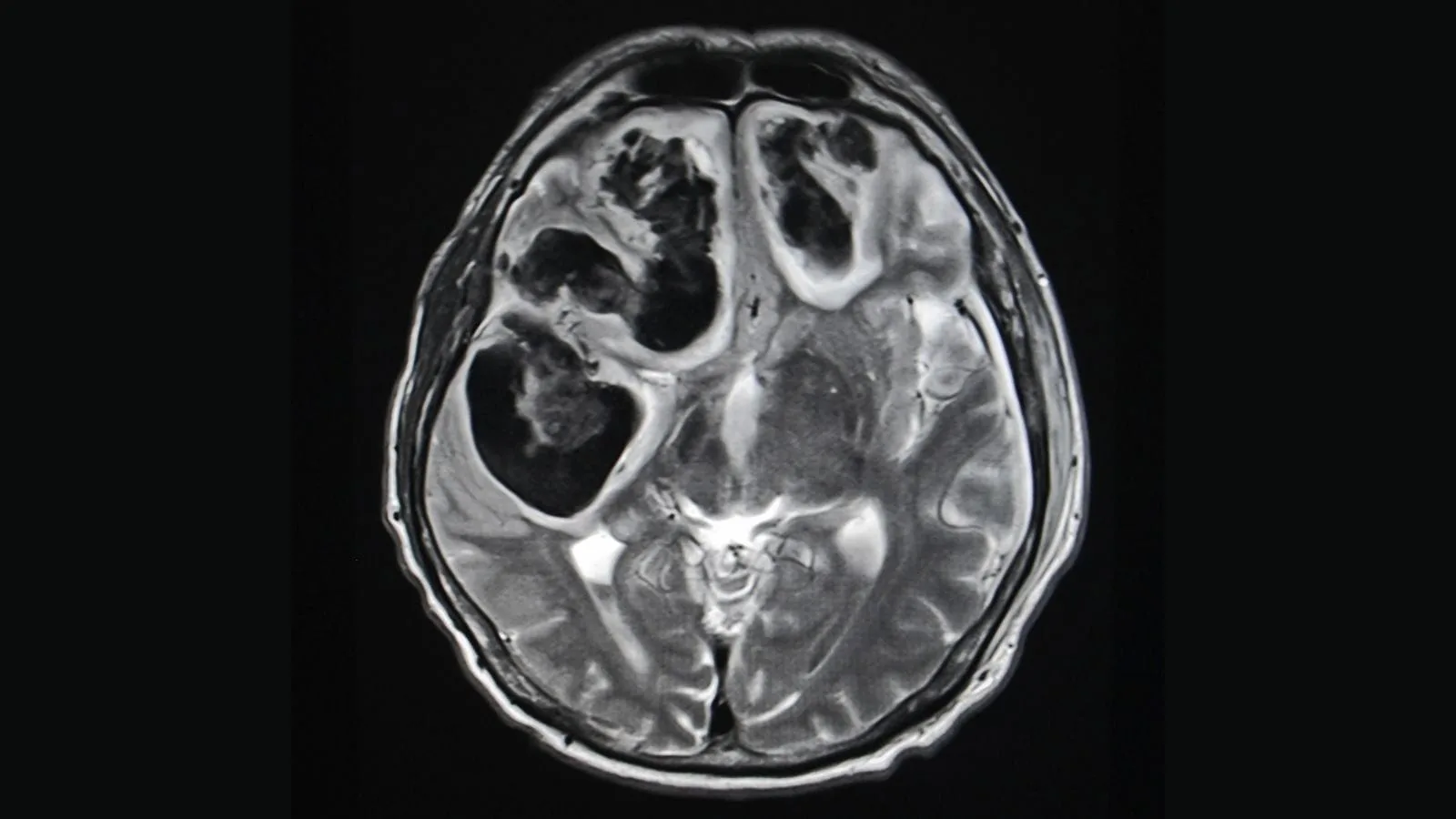
Brain hemorrhage most commonly develops due to hypertension (high blood pressure), structural vascular disorders (aneurysm, arteriovenous malformation), trauma, use of blood thinners, and coagulation disorders. When bleeding occurs, the blood accumulating within or around the brain tissue leads to an increase in intracranial pressure.
The increased pressure disrupts the oxygenation of brain cells (neurons). Secondarily, ischemia (insufficient blood supply), inflammation, and edema develop at the cellular level. This process may affect not only the area where the bleeding occurred but also the surrounding tissues. Since brain tissue is located within a limited space, increased pressure can threaten vital centers.
The recovery process is shaped by the degree of this damage and the brain’s neuroplasticity capacity. Neuroplasticity is the ability of the brain to reorganize functions by forming new connections after damage.
First Days: Acute Phase and Intensive Care Process
The first hours and days of a brain hemorrhage are defined as the “acute phase.” In this period, the primary goals are to control the bleeding, balance intracranial pressure, and preserve vital functions.
Patients are usually monitored in the intensive care unit. Level of consciousness, pupillary reflexes, respiration, and circulation parameters are closely monitored. When necessary, surgical intervention (such as hematoma evacuation, aneurysm clipping) may be performed. However, not every brain hemorrhage requires surgery; the decision is made by a neurosurgery specialist based on clinical and radiological findings.
Complications that may develop during this period include brain edema, rebleeding, epileptic seizures, and infections. Therefore, the early period is the most critical stage of the recovery process.
Subacute Phase: Formation of Neurological Findings
The weeks following the acute phase are when the neurological condition becomes clearer. Different clinical pictures may be observed depending on the location of the hemorrhage:
- Hemiparesis or hemiplegia (loss of strength or paralysis on one side of the body)
- Speech disorders (aphasia)
- Swallowing difficulty (dysphagia)
- Visual field loss
- Balance and coordination disorders
- Cognitive impairment (decrease in memory, attention, executive functions)
These symptoms depend on the localization of the damage in the brain tissue. For example, if the dominant hemisphere is affected, speech disorders may be more prominent. In cerebellar hemorrhages, balance problems are at the forefront.
At this stage, the physical therapy and rehabilitation process is usually initiated. Early rehabilitation is thought to have positive effects on functional recovery.
Rehabilitation Process: Multidisciplinary Approach
One of the cornerstones of recovery after a brain hemorrhage is neurological rehabilitation. The rehabilitation process requires the collaboration of different disciplines such as physiotherapists, neurologists, physical medicine and rehabilitation specialists, speech therapists, and, when necessary, psychologists.
Physical Therapy and Recovery of Motor Functions
Loss of muscle strength and spasticity (involuntary stiffness in muscles) are common problems. Exercise programs aim to increase muscle strength, preserve joint range of motion, and support independence in activities of daily living.
Motor recovery usually progresses more rapidly within the first 3–6 months; however, this process varies from person to person. In some patients, progress may be slower and rehabilitation may continue for a long time.
Speech and Swallowing Therapy
In individuals who develop aphasia, speech therapy can help reorganize language functions. In the presence of dysphagia, special swallowing exercises and dietary adjustments are made to reduce the risk of aspiration.
These interventions are supportive approaches aimed at reducing complications and improving quality of life.
Psychological and Cognitive Effects
A brain hemorrhage can cause not only physical but also psychological and cognitive consequences. Depression, anxiety, and mood changes are common. The reason for this includes both biological factors (neurotransmitter changes due to brain damage) and psychosocial factors.
The patient’s fear of losing independence, changes in social roles, and a sense of uncertainty can create a psychological burden. Therefore, mental health support is an important part of the recovery process.
Cognitive rehabilitation programs can contribute to supporting attention, memory, and problem-solving skills. However, the planning of these processes must be based on expert evaluation.
How Long Does Recovery Take?
Although the question “How long does it take to recover after a brain hemorrhage?” is frequently asked, it is not possible to give a definite time frame. The recovery period depends on many variables such as:
- Type of hemorrhage (intracerebral, subarachnoid, etc.)
- Volume of bleeding
- Patient’s age
- Accompanying chronic diseases
- Time to early intervention
- Regularity of rehabilitation
In general, the first 6 months are the period when neurological recovery is most pronounced. However, the recovery process may extend up to one year and, in some cases, even longer. Some neurological deficits may be permanent; this varies from patient to patient.
Risk of Recurrence and Preventive Measures
In individuals who have had a brain hemorrhage, it is known that the risk of recurrence increases if the underlying cause is not controlled. Especially regular monitoring and treatment of hypertension are of great importance.
Management of vascular risk factors such as smoking, excessive alcohol consumption, uncontrolled diabetes, and high cholesterol is recommended. However, each patient’s treatment plan should be determined individually.
When Is Emergency Evaluation Required?
If the following symptoms develop during the recovery process, urgent evaluation is required:
- Sudden change in consciousness
- Severe headache
- Newly developed loss of strength
- Speech disorder
- Seizure
These symptoms may be a sign of rebleeding or other neurological complications.

Prof. Dr. Özgür Kılıçkesmez is one of Türkiye’s leading interventional radiology and neuroradiology specialists, focusing on minimally invasive endovascular treatments. His primary areas of expertise include aneurysm and stroke treatments, embolization procedures, non-surgical treatments of thyroid and parathyroid diseases, interventional oncology, and peripheral vascular interventions. He currently serves as the Head of the Interventional Radiology and Neuroradiology Department at Istanbul Memorial Göztepe Hospital.
Graduating from Istanbul University Cerrahpaşa Faculty of Medicine in 1997, Prof. Dr. Kılıçkesmez received advanced training in interventional radiology and oncology as a Clinical Fellow at London Guy’s & St Thomas’ and King’s College Hospital between 2012 and 2013. He earned the title of Professor in 2020 and, in the same year, became the Founding Interventional Radiologist at SBÜ Çam and Sakura City Hospital. He also holds the EBIR (European Board of Interventional Radiology) certification.
Prof. Dr. Kılıçkesmez has 94 international and 40 national publications and over 2500 citations. He serves as a reviewer for prestigious journals such as the American Journal of Roentgenology (AJR) and Diagnostic & Interventional Radiology. With his clinical and academic expertise, he is a nationally and internationally recognized authority in stroke treatment, brain aneurysm, embolization, tumor ablation, and minimally invasive treatments of thyroid/parathyroid diseases.






Vaka Örnekleri