


Sclerotherapy (Foam Treatment): Procedure, Benefits, Risks and Recovery
Sclerotherapy foam treatment is a minimally invasive procedure used to treat varicose and spider veins. [...]
Jul

Non-Surgical Kidney Cyst Treatment: Methods, Benefits and Recovery
Non-surgical kidney cyst treatment involves percutaneous drainage and sclerotherapy, offering an effective alternative to surgery. [...]
Jul
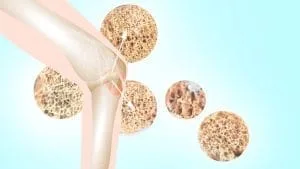
Bone Biopsy: Types, Procedure, Preparation, Risks and Results
Bone biopsy is a diagnostic procedure used to obtain a small tissue sample from bone [...]
Jul
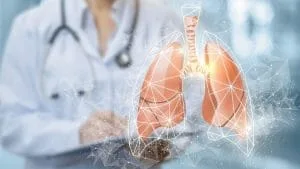
Lung Biopsy: Types, Procedure, Risks and Recovery
A lung biopsy is a procedure in which a tissue sample is taken from the [...]
Jul
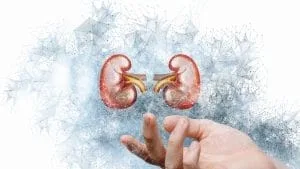
Kidney Biopsy: Procedure, Preparation, Risks and Recovery
A kidney biopsy is a diagnostic procedure used to examine kidney tissue under a microscope. [...]
Jul
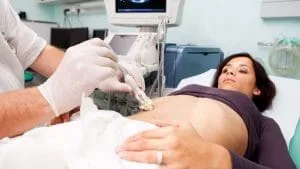
Liver Biopsy: Why It Is Done, Procedure, Risks and Results
A liver biopsy is a diagnostic procedure used to obtain a small sample of liver [...]
Jul
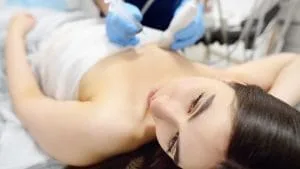
Breast Biopsy: Types, Procedure, Preparation and Results
A breast biopsy is a procedure that involves taking a tissue sample from the breast [...]
Jul
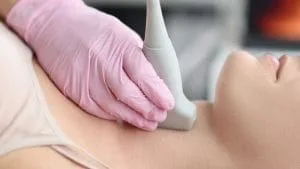
What is a Thyroid Biopsy? How is it Performed? Does It Have Any Risks?
A thyroid biopsy is a diagnostic procedure used to evaluate thyroid nodules or masses. By [...]
Jul

Osteoid Osteoma Ablation: Radiofrequency vs. Microwave Ablation
Osteoid osteoma treatment with radiofrequency or microwave ablation is a minimally invasive procedure that destroys [...]
Jul
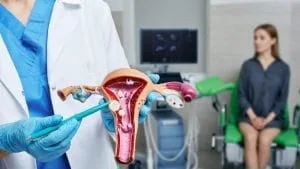
Uterine Fibroid Embolization (Myoma Embolization): Procedure, Benefits and Recovery
Myoma embolization is a non-surgical procedure used to treat uterine fibroids by cutting off their [...]
Jul

Hemorrhoid Embolization: Non-Surgical Treatment, Benefits and Risks
Non-surgical hemorrhoid treatment with embolization is a minimally invasive method that blocks blood flow to [...]
Jul

Radiofrequency Ablation for Heel Spurs: Procedure, Benefits and Recovery
Heel spur treatment with radiofrequency is a modern pain management technique that targets inflamed tissue [...]
Jun

Radiofrequency Treatment for Lumbar Disc Herniation: Benefits, Risks and Recovery
Radiofrequency treatment for lumbar disc herniation is a minimally invasive method that uses thermal energy [...]
Jun

Ozone Therapy for Lumbar and Cervical Disc Herniation: Procedure, Benefits and Risks
Ozone therapy for lumbar and cervical disc herniation is a non-surgical method that uses medical [...]
Jun

Targeted Injection Therapy for Lumbar Disc Herniation: Procedure and Benefits
Injection pinpoint treatment for lumbar disc herniation is a minimally invasive procedure that delivers targeted [...]
Jun

Biliary Stent Placement for Obstructive Jaundice: Procedure, Benefits and Risks
Biliary stent placement is a procedure used to relieve obstructive jaundice by opening blocked bile [...]
Jun

Percutaneous Drainage Treatment: Types, Procedure, Benefits and Risks
Drainage treatment is a minimally invasive procedure designed to remove fluid collections, abscesses, or bile [...]
Jun

Chemoembolization (TACE): Procedure, Benefits, Risks and Recovery
Chemoembolization is a targeted treatment for liver tumors, delivering high concentrations of chemotherapy directly to [...]
Jun

Percutaneous Cholecystostomy: Procedure, Indications, Risks and Recovery
Percutaneous cholecystostomy is a minimally invasive procedure performed to drain the gallbladder in patients with [...]
Jun

Non-Surgical Liver Hemangioma Treatment: Methods, Benefits and Risks
Liver hemangioma treatment without surgery is possible through minimally invasive interventional radiology techniques. These methods [...]
Jun

Radiofrequency Ablation for Chronic Pain: Procedure, Benefits and Risks
Pain treatment with radiofrequency is a minimally invasive method that uses heat energy to block [...]
Jun