


Category Archives: General
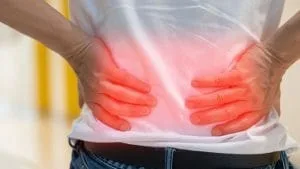
Non-Surgical Lumbar Disc Herniation Treatment: Methods, Benefits and Risks
Non-surgical treatment methods for lumbar disc herniation aim to relieve pain, reduce nerve compression, and [...]
Nov

Saccular Aneurysm: Symptoms, Causes, Rupture Risks and Treatment
A saccular aneurysm is a balloon-like bulge on one side of a blood vessel wall, [...]
Oct

Brain Aneurysm Stent Treatment: Procedure, Benefits, Risks and Recovery
Brain aneurysm stent treatment is a minimally invasive approach used to stabilize blood flow and [...]
Sep

Brain Hemorrhage: Symptoms, Causes, Types and Treatment Options
Brain hemorrhage is bleeding within the brain tissue or surrounding spaces, often caused by trauma, [...]
Sep

Spontaneous Intracranial Hypotension: Symptoms, Causes and Treatment
Spontaneous intracranial hypotension occurs when cerebrospinal fluid leaks without prior trauma or medical intervention. Reduced [...]
Sep

Cerebrospinal Fluid (CSF) Collection: Lumbar Puncture Procedure, Uses and Risks
Cerebrospinal fluid (CSF) is collected to diagnose neurological diseases such as infections, bleeding, and autoimmune [...]
Sep

Headache When Standing Up: Causes, Symptoms and Relief Methods
Headache occurring when standing up suddenly is often linked to cerebrospinal fluid (CSF) pressure changes. [...]
Sep
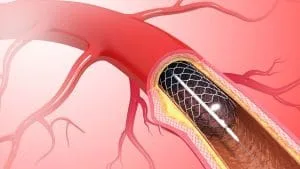
Stent Placement: Types, Procedure, Benefits and Risks
A stent is a small mesh tube inserted into a narrowed or blocked blood vessel [...]
Sep

Vasospasm (Vascular Spasm): Symptoms, Causes and Treatment Options
Vasospasm, or vascular constriction, is the sudden narrowing of blood vessels caused by contraction of [...]
Sep
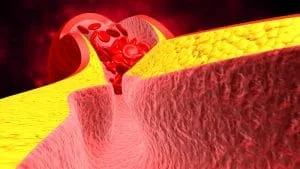
Thrombosis (Blood Clots): Types, Symptoms, Causes and Treatment
Thrombosis is the formation of a blood clot inside a vessel, which can block circulation [...]
Sep

Vasculitis: Types, Symptoms, Causes, Diagnosis and Treatment
Vasculitis is an inflammatory disease of blood vessels that leads to thickening, narrowing, or rupture [...]
Sep

Contrast Agents in Medical Imaging: Types, Uses and Side Effects
A contrast agent is a medical substance used to enhance the visibility of structures in [...]
Sep

Cerebrovascular Diseases: Types, Symptoms, Causes and Treatment Options
Cerebrovascular diseases are conditions affecting the blood vessels of the brain, leading to impaired blood [...]
Sep

Non-Surgical Prostate Reduction: Treatment Methods, Benefits and Risks
Non-surgical prostate reduction is possible through minimally invasive interventional radiology techniques. Prostate artery embolization is [...]
Aug

After Brain Angiography: Recovery, Precautions and Possible Complications
After a brain angiography, patients should follow specific precautions to ensure safe recovery. Rest, monitoring [...]
Aug

Non-Surgical Lumbar Disc Herniation Treatment: Methods, Benefits and Risks
Non-surgical treatment methods for lumbar hernia aim to relieve pain and restore mobility without invasive [...]
Aug
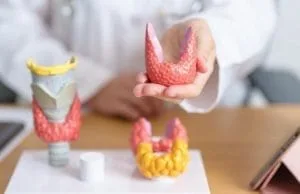
Hypoechoic, Isoechoic and Hyperechoic Thyroid Nodules: Differences and Cancer Risk
Hypoechoic, isoechoic, and hyperechoic nodules are ultrasound terms describing tissue density. Hypoechoic nodules appear darker, [...]
Jul

Scintigraphy (Nuclear Medicine Scan): Types, Procedure and Uses
Scintigraphy is a nuclear medicine imaging method used to assess organ function and structure. Radioactive [...]
Jul

Brain Aneurysm Precautions: What Patients Should Avoid and Watch For
Brain aneurysm patients should pay attention to risk factors that may trigger rupture, such as [...]
Jul

Nontoxic Multinodular Goiter: Symptoms, Causes, Diagnosis and Treatment
Non-toxic multinodular goiter is an enlargement of the thyroid gland characterized by multiple nodules without [...]
Jul

Biopsy: Types, Procedure, Preparation, Risks and Results
A biopsy is a medical procedure in which a tissue or cell sample is collected [...]
Jul