


Erectile dysfunction (erection problems) occurs due to arterial blockages that prevent sufficient blood from reaching the penis, venous leaks that fail to retain blood in the area, diabetes, nervous system damage, hormonal deficiencies, and psychological stress. The permanent treatment of this common health issue is achieved through non-surgical, interventional radiology-based intravascular repairs (balloon, stent, and embolization), shockwave therapies, and regenerative cellular applications that directly address the root cause of the problem. In cases where conventional medications or temporary solutions are insufficient, these innovative methods restore physiological blood flow while preserving the organ’s natural anatomy, enabling patients to regain a healthy sexual life comfortably.
What Is Erectile Dysfunction (Erection Problems) and How Does It Affect the Individual?
Sexual functions, which are a crucial part of both physical and mental health, are the result of a complex balance. When the expected level of rigidity cannot be achieved or this rigidity is suddenly lost at the very beginning of intercourse, and this condition becomes persistent, it turns into a clinical issue. It is completely normal for every individual to experience temporary disruptions at certain periods of life due to excessive stress, fatigue, or illness. However, if this condition continues for months and consistently disrupts sexual life, it indicates an underlying physical issue that needs to be examined. This condition not only causes physical dysfunction but also, over time, damages self-confidence, creates emotional distance between partners, and significantly reduces overall quality of life. While it was once largely considered a psychological barrier, it is now clearly understood—thanks to advanced diagnostic tools—that this condition is predominantly caused by structural disorders in blood vessels or nerves.
How Does the Process Work in a Body Without Erectile Dysfunction?
To understand where the problem begins, it is necessary to first understand how this perfectly functioning mechanism works under normal conditions. The process begins entirely in the brain. Mental, visual, or tactile stimuli are processed by the brain and rapidly transmitted to the penis via a specialized nerve network through the spinal cord. Once this transmission occurs, a specific chemical substance is released within the blood vessels and spongy tissues of the penis. The main function of this substance is to relax the muscles in the area. Just like a squeezed sponge that quickly absorbs water when released, these relaxed tissues are filled with high-pressure blood pumped from the body’s main arteries.
The entry of blood is only the first half of the process. The second half requires this blood to be retained inside. The incoming blood expands the spongy tissue so much that it creates pressure on the outer sheath of the penis, compressing the veins that would normally carry blood away, effectively acting as a seal. This is called the veno-occlusive mechanism. Blood enters, the exits close, pressure increases, and full rigidity is achieved. When sexual activity ends, the brain sends new signals, the muscles contract again, the compressed veins reopen, and the blood inside returns to systemic circulation. Any disruption in this remarkable chain directly affects sexual performance.
Which Psychological Factors Can Trigger Erectile Dysfunction (Erection Problems)?
Even in the absence of any physical issue, it is common for signals sent by the brain to be blocked by various emotional states. In cases that appear suddenly, especially in younger individuals, a psychological basis is often considered. When the mind is not fully relaxed, the body switches to a defensive mode, and stress hormones that control muscle contraction become active, preventing relaxation. Experiencing no issues when alone but encountering problems with a partner indicates that the problem is more mental than physical.
Common psychological factors that trigger this condition include:
- Performance anxiety
- Work and life stress
- Depressive mood
- Financial concerns
- Relationship conflicts
- Past traumatic experiences
- Intense anxiety about the future
Which Physical Diseases Contribute to the Development of Erectile Dysfunction (Erection Problems)?
With advancing age, systemic diseases that emerge in the body directly threaten sexual health. Conditions affecting the nervous system, such as spinal cord injuries, Parkinson’s disease, or multiple sclerosis, disrupt communication between the brain and the penis. On the other hand, low testosterone levels or thyroid dysfunction can prevent the initiation of the mechanism by reducing sexual desire. However, among physical causes, the most damaging group consists of metabolic diseases. These diseases progress silently over years, damaging both blood vessel walls and nerve endings.
The main physical conditions that negatively affect the process include:
- Diabetes
- High blood pressure
- High cholesterol
- Heart diseases
- Chronic obesity
- Thyroid disorders
- Prostate diseases
How Do Arterial Blockages Affect Erectile Dysfunction (Erection Problems)?
Problems in the vascular system represent the most common and serious physical cause of this condition. Arteries are pipelines that carry oxygen-rich blood to organs. When plaque accumulation, known as atherosclerosis, begins, the first vessels affected are those with the smallest diameter. While the arteries supplying the heart are relatively wider, those supplying blood to the penis are only about one to two millimeters in diameter. Therefore, cholesterol and calcium plaques accumulating in vessel walls first block these delicate vessels.
The inability of blood to enter with sufficient pressure and volume prevents adequate rigidity. In many cases, this condition serves as an early warning sign of potential future blockages in coronary arteries. The individual may struggle for a long time to initiate intercourse or may never reach full capacity. Just like water flow decreases in a constricted hose, blood passing through narrowed vessels is insufficient to adequately fill the target organ.
How Does Venous Leakage Cause Erectile Dysfunction (Erection Problems)?
The other side of vascular problems involves the inability to retain blood within the penis. Even if arterial inflow is strong, if the venous valve system is compromised, blood cannot remain in the spongy tissue and quickly returns to circulation. This is known as venous leakage. Just as a leaking bucket cannot hold water or a bathtub without a stopper cannot fill, the same physical principle applies here.
In cases of venous leakage, very characteristic symptoms are observed. Initial rigidity is achieved effectively, but it is lost suddenly after a short time, often before intercourse is completed. Particularly when standing or changing positions, gravity accelerates the outflow of blood. Common oral medications that increase blood flow are often ineffective in this situation because the issue is not the arrival of blood but the inability to retain it.
How Is Color Doppler Ultrasound Used in Diagnosing Erectile Dysfunction (Erection Problems)?
When vascular causes are suspected, color Doppler ultrasound is used to visualize and measure the source of the problem. This method allows dynamic evaluation of blood flow velocity, direction, and vessel diameter. However, for accurate results, the vessels must be assessed at full capacity—that is, during erection.
For this purpose, before the ultrasound procedure, a special vasodilating mixture is injected into the penile tissue using a needle as thin as a hair. This injection feels like a mosquito bite and takes only seconds. Within a few minutes, an artificial erection occurs independently of the brain. Once erection is achieved, measurements are taken at specific intervals. If the peak flow from arteries is below a certain threshold, it indicates arterial narrowing. If arterial inflow is adequate but blood flows back when the tissue relaxes, a venous leak diagnosis is confirmed. This examination is the most critical step in determining the treatment roadmap.
What Is the Role of CT and Advanced Imaging in Diagnosing Erectile Dysfunction (Erection Problems)?
Doppler ultrasound is excellent for diagnosis, but sometimes more detailed imaging is required to map the problem. Especially when planning intravascular treatment, it is essential to know the exact path of the faulty vessels.
In such cases, computed tomography-based imaging methods are used. Three-dimensional scans with contrast material injected into the vascular system create detailed vascular maps. In a patient with venous leakage, these maps clearly show whether the leak originates from the right vein, the left groin vein, or veins around the prostate. In arterial blockages, plaques in major vessels descending from the abdominal region are identified. This allows precise targeting during treatment.
How Has Interventional Radiology Transformed the Treatment of Erectile Dysfunction (Erection Problems)?
In the past, treatment options for such problems were very limited. Patients were either prescribed lifelong medications or offered prosthetic surgeries that completely altered the natural structure of the penis as a last resort. Today, interventional radiology—based on using imaging technologies for treatment purposes—has introduced a completely new dimension.
These treatments are performed from within the vessels, directly addressing the issue without the need for operating rooms or large incisions. Through a tiny entry point, as small as a needle hole in the groin, micro-instruments are guided into the vessels. This eliminates the risks associated with general anesthesia, and patients can walk home the same day after the procedure. The natural structure of the body remains intact, and a fully physiological repair is achieved.
How Is Venous Leak-Related Erectile Dysfunction (Erection Problems) Treated Endovascularly?
The procedure used to address the inability to retain blood is called embolization. The goal is to seal the faulty pathways causing leakage from within. The procedure is performed in an angiography unit using only local anesthesia. Guided by imaging devices, entry is made through the groin or penile vein, and hair-thin flexible catheters are advanced to the previously mapped leaking vessels.
Once the faulty vessel is reached, medical materials are used to permanently close it. These may include tissue adhesives, platinum coils that block the vessel, or special sclerosing agents. Once the leaking areas are sealed, the body continues circulation through healthy vessels. With the leaks closed, blood pumped into the penis is retained in the spongy tissue, maintaining rigidity throughout intercourse.
How Is Arterial Blockage-Related Erectile Dysfunction (Erection Problems) Treated with Balloon Angioplasty?
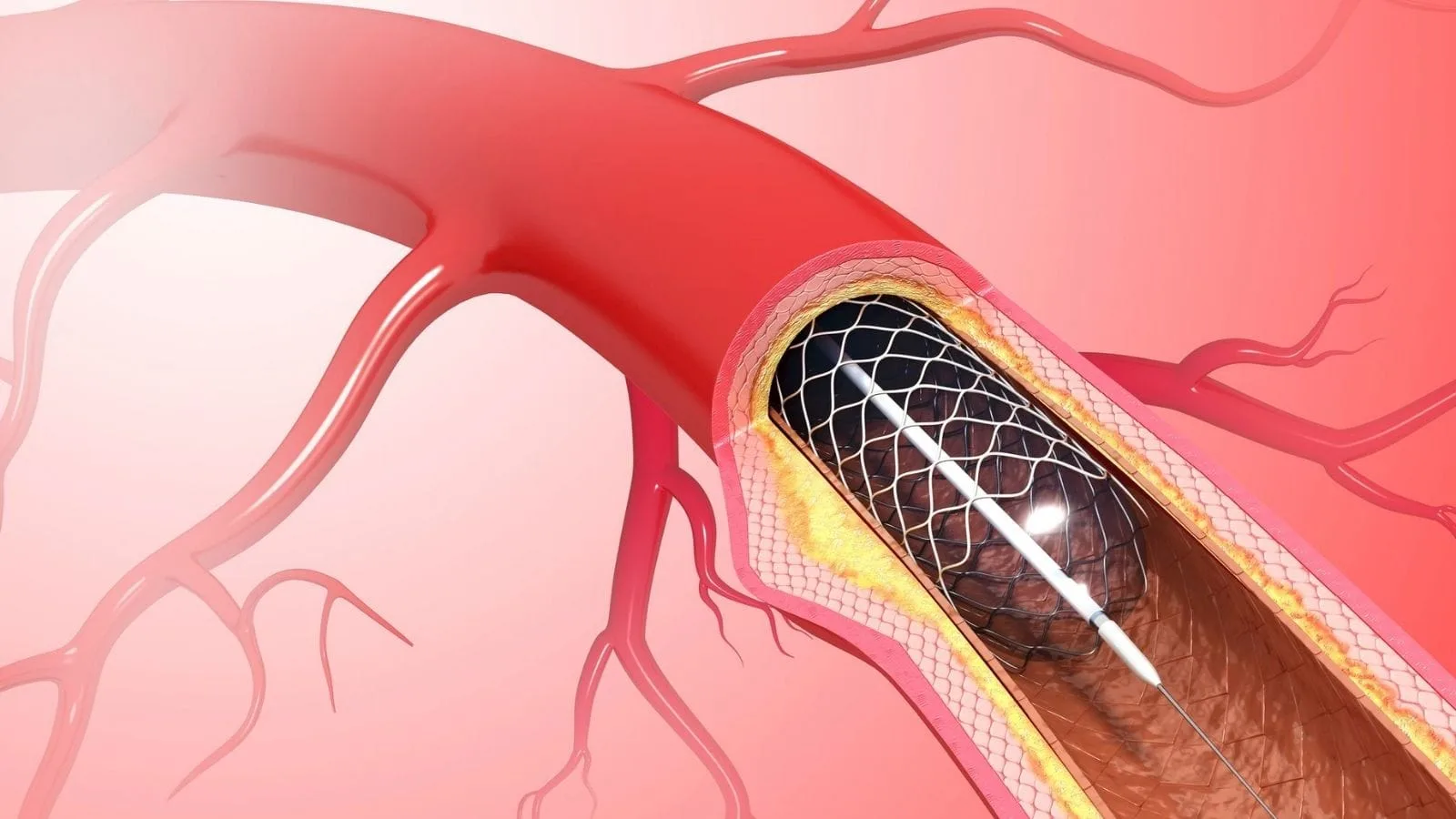
In arterial narrowing that prevents adequate blood flow to the organ, the strategy is the opposite: instead of closing, the goal is to open the narrowed pathway. This procedure is called angioplasty. Entry is again made through the groin, and a guidewire is advanced to the site of narrowing. Over this wire, a deflated medical balloon sized appropriately for the vessel is positioned at the narrowed segment.
Once in the correct position, the balloon is inflated using fluid pressure from outside. This inflation compresses cholesterol and calcium plaques against the vessel wall, expanding the lumen. In recent years, drug-coated balloons have been used, delivering medication to prevent cell proliferation during expansion. This significantly reduces the risk of re-narrowing over time. When blood flow returns to normal, erectile function is restored.
What Are the Advantages of Non-Surgical Treatments for Erectile Dysfunction (Erection Problems)?
Intravascular repair methods offer significant comfort compared to traditional open surgeries and continuous medication use. Preserving natural tissue prevents irreversible changes.
The main advantages of these methods include:
- No incisions or stitches
- No need for general anesthesia
- Same-day discharge
- Minimal to no pain
- Rapid return to daily life
- Complete preservation of the organ’s natural structure
- Does not eliminate future treatment options
How Do Shockwave Therapy and Regenerative Medicine Support Recovery from Erectile Dysfunction (Erection Problems)?
While opening vessels or sealing leaks addresses the mechanical aspect of the problem, supportive innovative treatments are incorporated to improve tissue quality at the cellular level. These methods, which stimulate the body’s self-healing capacity, make treatment outcomes more permanent. Low-intensity sound waves applied externally create micro-level stimulation in tissues, promoting the formation of new capillaries.
In addition, cellular therapies are increasingly used. Stem cells derived from adipose tissue taken from the abdominal region or exosomes—cellular messengers—are directly applied to the tissue, promoting regeneration of damaged inner surfaces over time. These regenerative approaches are particularly valuable in reversing tissue damage seen in diabetic patients.
Which Habits Should Be Avoided to Prevent Erectile Dysfunction (Erection Problems)?
No advanced treatment can produce miracles if harmful habits that continuously damage the body persist. Eliminating factors that harm the vascular system is the greatest support for the repair process. Tobacco products, which constrict vessel walls and impair oxygenation, are particularly dangerous.
Harmful habits to avoid include:
- Smoking
- Regular hookah use
- Heavy alcohol consumption
- Excessive intake of fatty foods
- Sugary beverages
- Prolonged physical inactivity
- Insufficient water intake
Which Positive Lifestyle Changes Support the Treatment of Erectile Dysfunction (Erection Problems)?
In addition to eliminating harmful factors, providing the body with proper nutrition and movement helps maintain sexual function. It is important to adopt habits that protect vascular health, regulate cholesterol, and support nitric oxide production. Strengthening regional muscles also helps blood remain more efficiently in the area.
Positive habits to incorporate into daily life include:
- Brisk walking
- Swimming
- Mediterranean-style diet
- Olive oil consumption
- Nuts such as walnuts and almonds
- Pelvic floor exercises
- High-quality, deep sleep
- Meditation and stress management practices

Prof. Dr. Özgür Kılıçkesmez is one of Türkiye’s leading interventional radiology and neuroradiology specialists, focusing on minimally invasive endovascular treatments. His primary areas of expertise include aneurysm and stroke treatments, embolization procedures, non-surgical treatments of thyroid and parathyroid diseases, interventional oncology, and peripheral vascular interventions. He currently serves as the Head of the Interventional Radiology and Neuroradiology Department at Istanbul Memorial Göztepe Hospital.
Graduating from Istanbul University Cerrahpaşa Faculty of Medicine in 1997, Prof. Dr. Kılıçkesmez received advanced training in interventional radiology and oncology as a Clinical Fellow at London Guy’s & St Thomas’ and King’s College Hospital between 2012 and 2013. He earned the title of Professor in 2020 and, in the same year, became the Founding Interventional Radiologist at SBÜ Çam and Sakura City Hospital. He also holds the EBIR (European Board of Interventional Radiology) certification.
Prof. Dr. Kılıçkesmez has 94 international and 40 national publications and over 2500 citations. He serves as a reviewer for prestigious journals such as the American Journal of Roentgenology (AJR) and Diagnostic & Interventional Radiology. With his clinical and academic expertise, he is a nationally and internationally recognized authority in stroke treatment, brain aneurysm, embolization, tumor ablation, and minimally invasive treatments of thyroid/parathyroid diseases.



Vaka Örnekleri