


Liver tumor ablation treatment involves destroying cancerous or metastatic liver lesions using localized thermal or freezing energy. This method provides an alternative for patients not suitable for surgical resection.
Techniques such as radiofrequency ablation, microwave ablation, and cryoablation are performed under ultrasound or CT guidance. These ensure accurate targeting and minimize damage to surrounding healthy liver tissue.
The procedure offers significant benefits, including reduced hospitalization, minimal invasiveness, and repeatability. It is frequently applied in hepatocellular carcinoma and metastatic colorectal cancer cases.
Indications include patients with unresectable liver tumors, poor surgical candidates, or those requiring bridge therapy before transplantation. Liver ablation provides effective local control and improved survival outcomes.
What Is Liver Tumor Ablation Therapy?
Liver tumor ablation therapy is especially applied to tumors that are inaccessible or risky for surgery. This method targets tumor tissue to destroy cancer cells. It preserves the patient’s overall health and offers a faster recovery. There are various techniques for liver tumor ablation therapy:
- Radiofrequency Ablation (RFA): Destroys cancer cells with high‑energy radio waves.
- Microwave Ablation (MWA): Inactivates the tumor by heating it with microwaves.
- Cryoablation: Freezes tumor cells to halt their function.
- Chemical Ablation: Injects chemicals such as ethanol directly into the tumor to destroy cancer cells.
- Irreversible Electroporation (IRE): Creates pores in the cell membrane with electric pulses.
These treatment methods are selected based on the patient’s condition and tumor characteristics.
How Is Liver Tumor Ablation Therapy Performed?
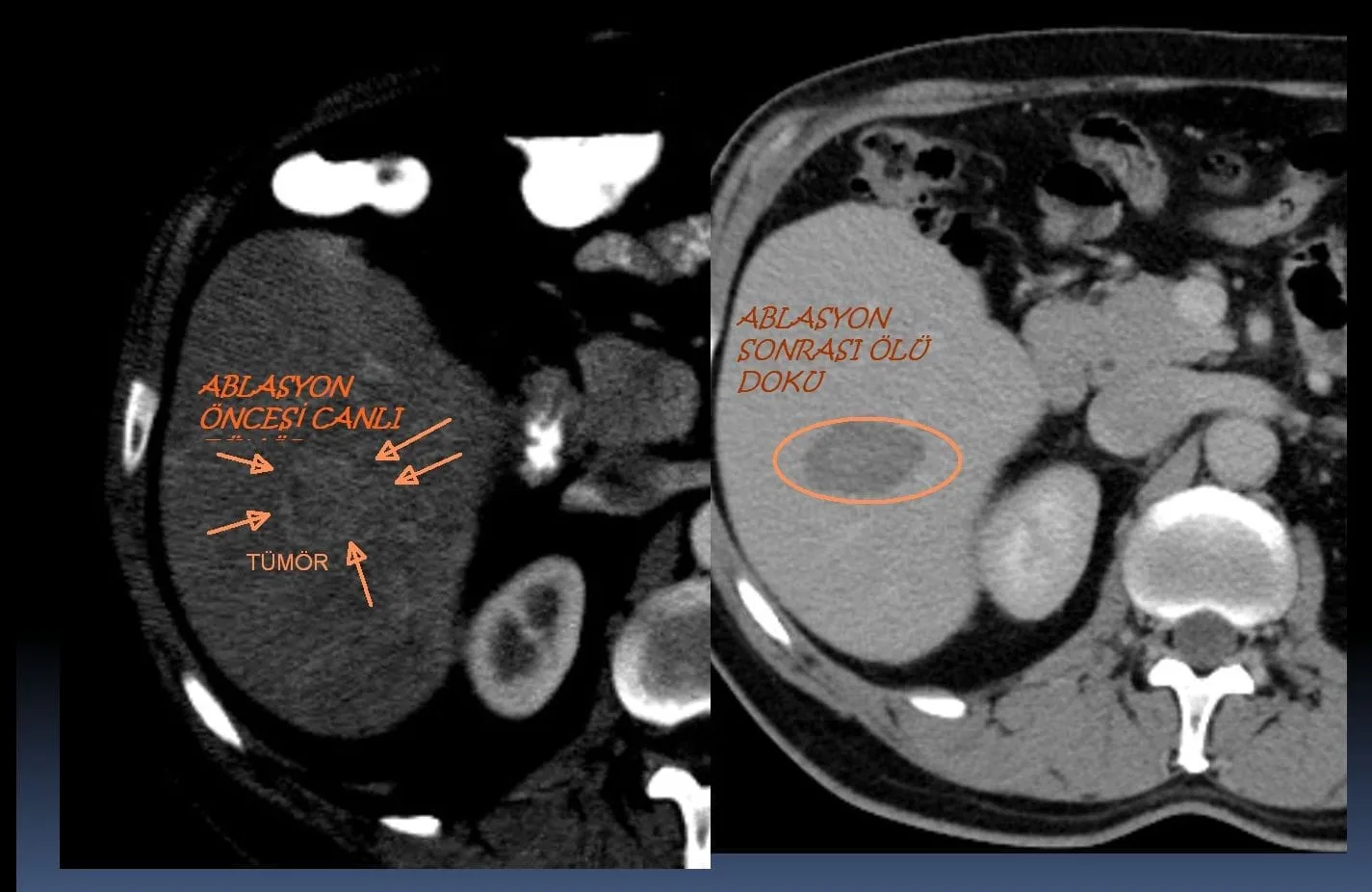
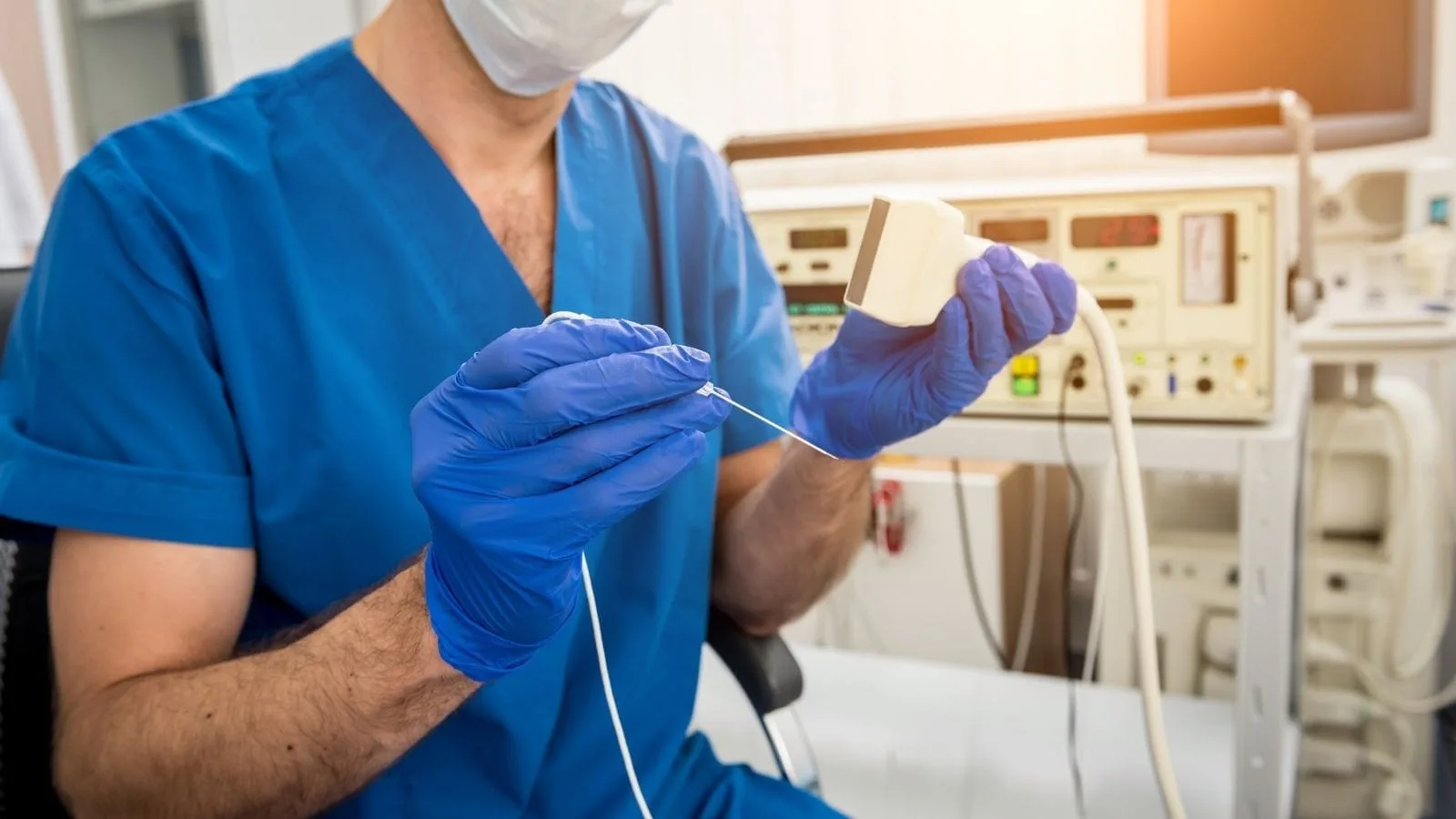
This treatment is performed using minimally invasive techniques, accelerating the patient’s recovery. During the procedure, doctors use modern imaging technologies to locate the tumor precisely. The procedure includes the following steps:
First, imaging methods such as CT or ultrasound are used to determine the tumor’s location.
Next, a special needle is guided from the skin surface into the liver tissue.
Once the needle reaches the tumor cells, one of the following ablation techniques is applied:
- Radiofrequency Ablation: A high‑frequency electric current is sent through an electrode, heating and destroying the tumor.
- Microwave Ablation: Focused microwave energy is applied via an antenna to heat and destroy tumor cells.
- Local anesthesia is administered to the skin, and deep sedation or analgesia is provided to manage pain during heating. General anesthesia may rarely be needed.
- Cryoablation: Tumor cells are frozen and destroyed with cryogenic gas.
What Is the Post‑Treatment Process?
The post‑treatment process for liver tumor ablation includes several important steps for patients to follow. Pain may occur in the abdominal area after the procedure, but it usually subsides quickly. Doctor‑prescribed pain relievers provide relief during this period.
- Pain Management: Use prescribed pain relievers as recommended by your doctor.
- Rest: Rest your body and avoid strenuous activities for a few days after the procedure.
- Wound Care: Keep the incision site dry and clean to minimize infection risk.
- Nutrition: Maintain a balanced, healthy diet. Focus on liquid foods during the first days.
- Exercise: Perform light exercises recommended by your doctor to support recovery.
- Follow‑up: Attend regular doctor visits to monitor your recovery.
If any new symptoms or concerns arise, contact your healthcare provider without delay.
What Are the Advantages of Liver Tumor Ablation Therapy?
Ablation therapy offers many advantages in liver cancer treatment. Its minimally invasive nature makes this treatment stand out. Compared to surgical intervention, this method carries fewer complication risks for patients. Patients can recover more quickly after treatment. These features significantly improve patient comfort.
- Minimal Invasiveness: No open surgery is needed, resulting in less pain and shorter hospital stays.
- High Success Rate: Highly effective for early‑stage liver cancer. Success rates are high depending on cancer stage and size.
- Short Hospital Stay: Patients are usually discharged quickly, enabling a faster return to normal life.
- Repeatability: Ablation can be repeated if cancer recurs, which is a major advantage.
- Fewer Side Effects: Causes fewer side effects than chemotherapy and radiation, supporting rapid recovery.
- Prevents Cancer Spread: Helps prevent the spread of cancer cells to other organs, aiding disease control.
The effectiveness of this treatment option varies according to each patient’s condition and tumor characteristics. However, liver tumor ablation therapy is generally recognized as a strong and effective method in the fight against cancer, offering a safe and low‑complication alternative for patients.
Frequently Asked Questions
How is ablation therapy performed for liver tumors?
What are the differences between radiofrequency ablation and microwave ablation?
Can tumors recur after ablation therapy?
Do patients feel pain during this treatment?
For what tumor sizes is ablation therapy effective?

Prof. Dr. Özgür Kılıçkesmez is one of Türkiye’s leading interventional radiology and neuroradiology specialists, focusing on minimally invasive endovascular treatments. His primary areas of expertise include aneurysm and stroke treatments, embolization procedures, non-surgical treatments of thyroid and parathyroid diseases, interventional oncology, and peripheral vascular interventions. He currently serves as the Head of the Interventional Radiology and Neuroradiology Department at Istanbul Memorial Göztepe Hospital.
Graduating from Istanbul University Cerrahpaşa Faculty of Medicine in 1997, Prof. Dr. Kılıçkesmez received advanced training in interventional radiology and oncology as a Clinical Fellow at London Guy’s & St Thomas’ and King’s College Hospital between 2012 and 2013. He earned the title of Professor in 2020 and, in the same year, became the Founding Interventional Radiologist at SBÜ Çam and Sakura City Hospital. He also holds the EBIR (European Board of Interventional Radiology) certification.
Prof. Dr. Kılıçkesmez has 94 international and 40 national publications and over 2500 citations. He serves as a reviewer for prestigious journals such as the American Journal of Roentgenology (AJR) and Diagnostic & Interventional Radiology. With his clinical and academic expertise, he is a nationally and internationally recognized authority in stroke treatment, brain aneurysm, embolization, tumor ablation, and minimally invasive treatments of thyroid/parathyroid diseases.




Vaka Örnekleri