


Turkey is one of the leading countries in the region with its physicians specialized in interventional radiology and hospitals equipped with advanced technological infrastructure. In this branch, which provides diagnosis and treatment with minimally invasive methods, high success rates and low complication risks stand out.
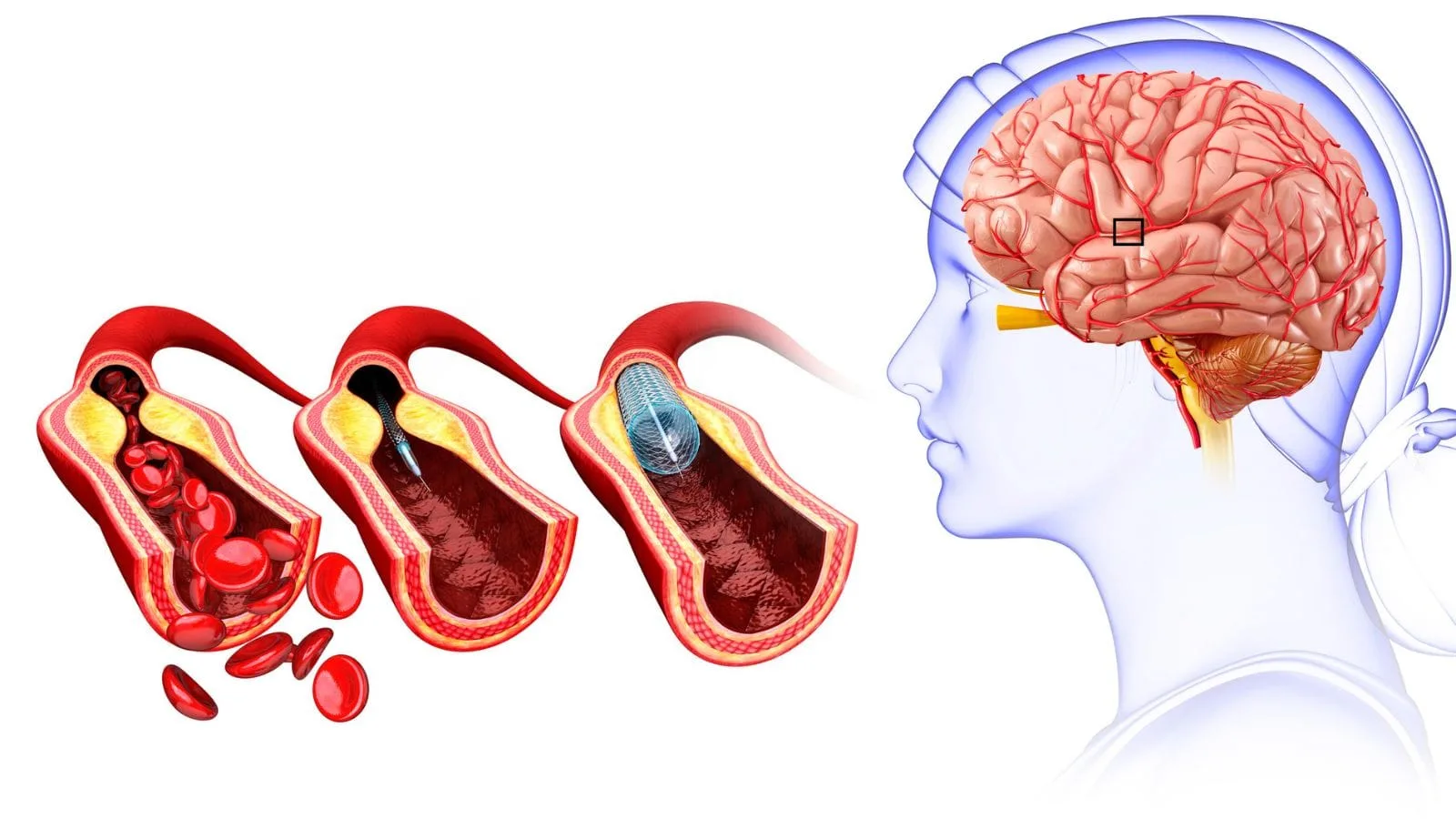
Procedures such as embolization, ablation, and stent placement, which are applied in diseases like liver tumors, vascular occlusions, and varicocele, are effectively performed in Turkey. Interventional radiologists specialize in both imaging and intervention, offering multidisciplinary treatment.
Modern angiography units, computed tomography, and ultrasound-supported imaging systems have become standard equipment in hospitals in Turkey. In this way, procedures are monitored in real time, interventions are performed with high precision on the target tissue, and recovery time is shortened.
Interventional radiology services planned for international patients coming to Turkey are supported by fast appointment scheduling, detailed pre-evaluation, and close follow-up after the procedure. This health tourism-oriented structure ensures that safe and high-quality service is provided.
Early Adoption of Interventional Radiology in Turkey
Interventional radiology includes minimally invasive procedures performed under imaging guidance. In Turkey, this field began to find its place in academic centers at a time when it still had limited application areas in many countries. University hospitals and training and research hospitals invested early in the development of this branch.
This early adaptation has allowed physicians to gain more case experience. Over time, this accumulated clinical experience has contributed to both the diversification of interventional radiology applications and the improvement of their standards in Turkey.
Strong and Systematic Medical Education
The training process of interventional radiology doctors in Turkey includes a long and intensive education period. After medical school education, radiology specialization and then advanced training processes in interventional radiology follow. During this process, as much emphasis is placed on practical application as on theoretical knowledge.
The wide patient profile from different disease groups in training hospitals allows physicians to encounter various clinical scenarios. This situation helps improve not only technical skills but also clinical decision-making processes. However, since each patient’s condition is different, it is especially emphasized that the applied methods should be planned individually.
High Case Volume and Clinical Experience
Hospitals located in major cities in Turkey are centers that receive a high number of patient applications. In the field of interventional radiology, this intensity causes physicians to frequently encounter different age groups and disease types. This translates into a wide accumulation of experience over time.
From the patient’s perspective, this experience is generally associated with the question “Have similar procedures been performed before?” In many centers in Turkey, the long-standing application of procedures for different clinical needs is one of the factors patients consider when seeking trust. Nevertheless, the suitability of each intervention is determined as a result of individual evaluation.
Technological Infrastructure and Up-to-Date Equipment
Interventional radiology is a field based on advanced imaging technologies. Systems such as angiography devices, ultrasound, computed tomography, and magnetic resonance must be used in an integrated manner. Both public and private hospitals in Turkey have invested in these technologies.
A strong technological infrastructure contributes to procedures progressing in a more controlled and planned manner. However, it is often emphasized that technology alone is not sufficient, and that the experience of the team using the devices is at least as important as the technology itself.
Multidisciplinary Working Culture
In Turkey, interventional radiology applications usually do not proceed based on the decision of a single branch. Evaluations are made together with many specialties such as oncology, general surgery, gynecology, urology, and internal medicine. This multidisciplinary approach helps to address the patient’s overall condition in a more holistic way.
For patients, this means bringing together different expert opinions. Thus, the necessity of an interventional radiological procedure, its alternatives, and possible outcomes can be addressed more clearly. In this process, where clinical decisions are personalized, it is especially stated that the same path will not be followed for every patient.
International Patient Experience and Health Tourism
The fact that Turkey stands out in the field of interventional radiology is also largely due to patients coming from abroad. Patients, especially from neighboring countries and Europe, prefer to be evaluated in centers in Turkey. This situation requires physicians to adapt to different expectations and patients coming from different healthcare systems.
International patient experience has contributed to the development of healthcare service organization and communication processes. However, this interest does not mean that the same results will be achieved for every patient. Diagnosis and treatment planning are always based on individual evaluation.
Strengthening of Patient-Oriented Approach
Patients applying to interventional radiology generally seek information about less invasive options. In Turkey, more importance has begun to be given to patient information processes in response to this expectation. Efforts are made to explain in simple language how the procedure will be performed, how the process will progress, and what can be expected afterward.
This approach helps patients participate in the process more consciously. However, it is clearly stated that medical procedures may always involve certain risks and that outcomes may vary depending on the individual’s health condition.
Academic Studies and Scientific Productivity
Interventional radiology specialists in Turkey contribute to the field not only through clinical applications but also through academic studies. Presentations at national and international congresses, published scientific articles, and organized training programs are indicators of this productivity.
Scientific studies ensure that practices are continuously reviewed and supported with up-to-date information. This contributes to the improvement of the service provided to patients over time. However, it should not be forgotten that scientific data cannot replace individual patient decisions.
Frequently Asked Questions
Why Does Turkey Have the Best Interventional Radiology Doctors and Hospitals in the Region?
Turkey has become a leading destination for interventional radiology due to its highly trained specialists, advanced medical infrastructure, and strong investment in modern imaging and minimally invasive treatment technologies across major healthcare centers.
Why do patients travel to Turkey for advanced interventional radiology procedures?
Many international patients choose Turkey because of its combination of experienced physicians, cutting-edge medical equipment, shorter waiting times, and access to complex procedures that may be less accessible in neighboring countries.
How are Turkish interventional radiologists trained compared to regional standards?
Turkish interventional radiologists often receive extensive training in leading academic hospitals and international institutions. Continuous professional development and exposure to high patient volumes help maintain advanced procedural expertise.
What types of interventional radiology treatments are commonly performed in Turkey?
Hospitals in Turkey offer a wide range of procedures, including venous stenting, embolization, tumor ablation, vascular interventions, thrombectomy, dialysis access management, and image-guided treatments for various conditions.
How do Turkish hospitals maintain high standards in interventional radiology?
Many hospitals follow international accreditation standards, invest in modern imaging technologies, and employ multidisciplinary teams that collaborate closely to deliver safe, effective, and evidence-based patient care.
Why is Turkey considered a cost-effective option for interventional radiology care?
Patients often benefit from lower treatment costs compared with many Western countries while still receiving care in modern facilities equipped with advanced technology and experienced medical professionals.
Can international patients easily access interventional radiology services in Turkey?
Many Turkish hospitals have dedicated international patient departments that assist with appointments, medical records, language support, transportation, and treatment planning to streamline the patient experience.
How does Turkey’s medical technology support complex interventional procedures?
Leading centers utilize advanced angiography systems, high-resolution imaging platforms, and state-of-the-art navigation technologies that help physicians perform complex procedures with greater precision and safety.
What factors contribute to successful outcomes in Turkish interventional radiology centers?
Success is often supported by specialist expertise, multidisciplinary collaboration, modern facilities, comprehensive pre-procedure evaluations, and personalized follow-up care tailored to each patient’s medical condition.
What should patients consider when choosing an interventional radiology hospital in Turkey?
Patients should evaluate physician experience, hospital accreditation, procedural volume, available technology, patient reviews, and the level of support provided for international patients before making a treatment decision.

Prof. Dr. Özgür Kılıçkesmez is one of Türkiye’s leading interventional radiology and neuroradiology specialists, focusing on minimally invasive endovascular treatments. His primary areas of expertise include aneurysm and stroke treatments, embolization procedures, non-surgical treatments of thyroid and parathyroid diseases, interventional oncology, and peripheral vascular interventions. He currently serves as the Head of the Interventional Radiology and Neuroradiology Department at Istanbul Memorial Göztepe Hospital.
Graduating from Istanbul University Cerrahpaşa Faculty of Medicine in 1997, Prof. Dr. Kılıçkesmez received advanced training in interventional radiology and oncology as a Clinical Fellow at London Guy’s & St Thomas’ and King’s College Hospital between 2012 and 2013. He earned the title of Professor in 2020 and, in the same year, became the Founding Interventional Radiologist at SBÜ Çam and Sakura City Hospital. He also holds the EBIR (European Board of Interventional Radiology) certification.
Prof. Dr. Kılıçkesmez has 94 international and 40 national publications and over 2500 citations. He serves as a reviewer for prestigious journals such as the American Journal of Roentgenology (AJR) and Diagnostic & Interventional Radiology. With his clinical and academic expertise, he is a nationally and internationally recognized authority in stroke treatment, brain aneurysm, embolization, tumor ablation, and minimally invasive treatments of thyroid/parathyroid diseases.






Vaka Örnekleri