


The symptoms of a herniated disc are characterized by clinical findings such as pain, numbness, and limited mobility that occur as a result of the disc tissue between the vertebrae pressing on the nerve roots. The most common manifestations include pain radiating from the lower back to the leg, muscle weakness, tingling sensations, and discomfort that increases during prolonged sitting or bending.
Early symptoms of a herniated disc usually begin with localized pain in the lower back and nerve-related complaints radiating toward the legs. Pain felt especially along the sciatic nerve pathway, numbness extending to the foot, and weakened reflexes may be observed. Pain that increases during daily movements may indicate that the disc compression is progressing.
Non-surgical treatment methods for a herniated disc are the first-line approach for most patients. Medication therapy, physical therapy applications, exercise programs, and lifestyle modifications aim to reduce nerve compression. These methods strengthen the muscles, balance the load on the spine, and help control pain.
Surgical treatment options for a herniated disc are considered in patients with advanced nerve compression or severe neurological deficits. Modern surgical techniques such as microdiscectomy remove the herniated disc tissue, relieve pressure on the nerve, and help the patient regain functional mobility.
| Symptoms | Clinical findings that occur when pressure is placed on the nerves due to displacement or rupture of the discs between the vertebrae. |
| Lower Back Pain | Pain felt constantly or intermittently in the lower back region, often increasing with movement, is the most common symptom. |
| Radiating Leg Pain (Sciatica) | Sharp or burning pain may radiate from the lower back through the hip, thigh, and down the leg. |
| Numbness and Tingling | Numbness, tingling, and loss of sensation may occur in the legs, feet, or toes due to nerve compression. |
| Muscle Weakness | Loss of strength in the leg muscles may occur, leading to difficulty while walking. |
| Limited Mobility | Difficulty may develop in movements such as bending, straightening, sitting, or standing for long periods. |
| Reduced Reflexes | Decreased or lost reflexes in the knee or ankle may be observed. |
| Advanced Neurological Findings | In rare cases, urgent conditions such as loss of bladder or bowel control and severe leg weakness may occur. |
| Non-Surgical Treatment | Includes non-surgical treatment methods applied in the early or moderate stages of a herniated disc. |
| Medication Therapy | Painkillers, muscle relaxants, and anti-inflammatory drugs may be used to reduce pain and inflammation. |
| Physical Therapy and Rehabilitation | Strengthening the muscles is targeted through methods such as exercise programs, hot-cold applications, ultrasound, and electrical stimulation. |
| Exercise Programs | Special exercises that strengthen the lower back and abdominal muscles and increase spinal stability are applied. |
| Epidural Steroid Injection | Corticosteroid injections administered around the nerve root can reduce inflammation and pain. |
| Manual Therapy | Mobilization and manipulation techniques performed by trained physiotherapists can help reduce pain. |
| Lifestyle Modifications | Proper posture habits, weight control, and avoiding heavy lifting are important parts of treatment. |
| Surgical Treatment | May be applied in cases of severe nerve compression, progressive neurological loss, or when long-term treatment fails. |
| Microdiscectomy | One of the most commonly performed surgical methods, involving the removal of the herniated disc fragment using a microscope. |
| Endoscopic Disc Surgery | A minimally invasive surgical method performed using small incisions and endoscopic devices. |
| Laminectomy | A procedure involving the removal of part of the vertebral bone to relieve pressure in the spinal canal. |
| Disc Prosthesis | A surgical method involving the removal of the damaged disc and replacement with an artificial disc. |
| Postoperative Rehabilitation | Physical therapy programs are applied after surgery to strengthen muscles and restore mobility. |
Why Do the Discs in Our Spine Wear Out and How Does a Herniated Disc Occur?
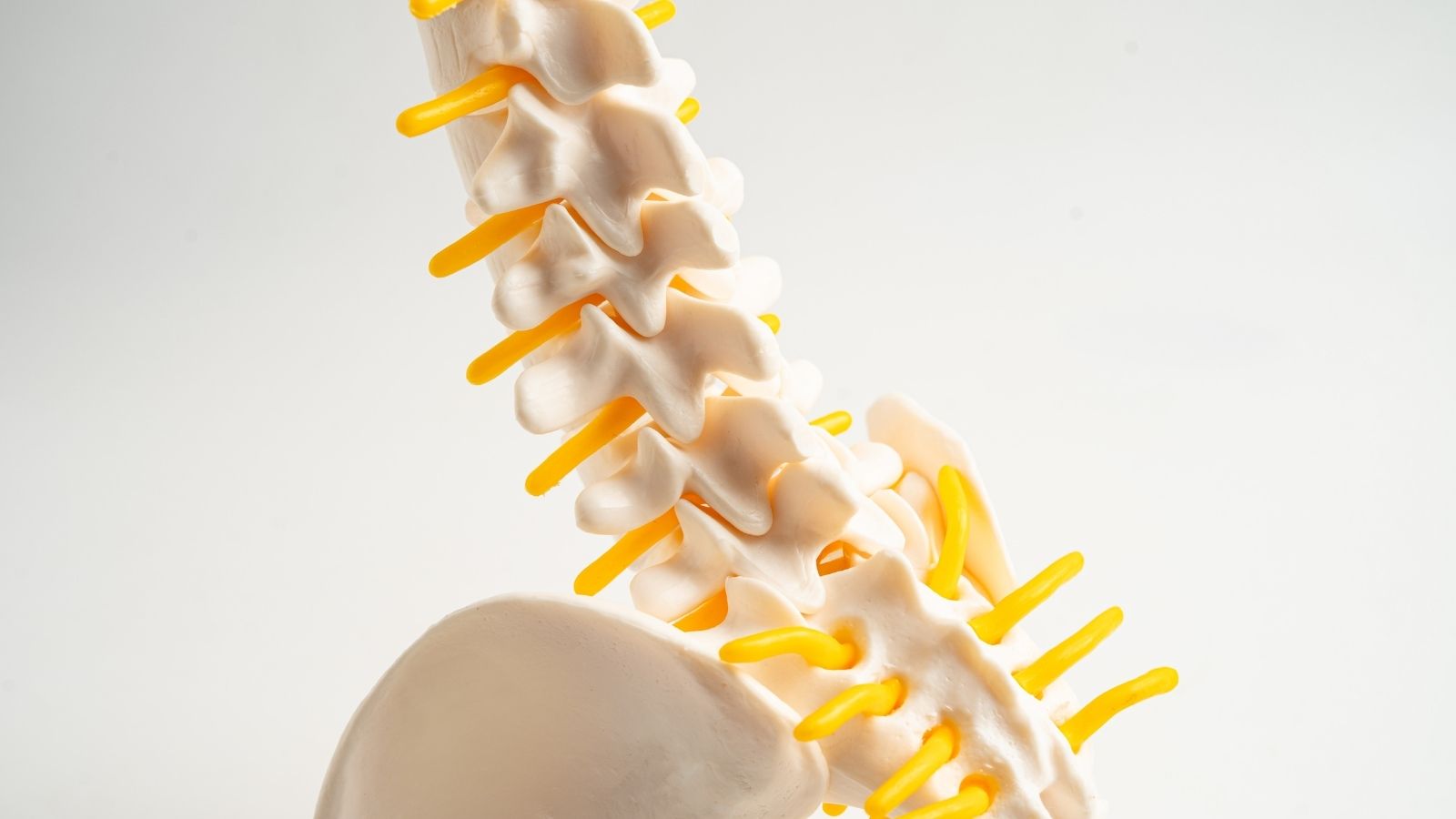
Our lumbar region consists of five vertebrae that carry a large portion of our body weight and enable movements such as bending and straightening. The structures that prevent these hard bones from rubbing against each other and absorb vertical loads are called intervertebral discs. You can think of the disc as a donut filled with jelly. The inner part of the disc contains a gel-like center rich in water. Surrounding this soft center is a layered and tough outer ring that acts like a protective armor.
Although a herniated disc may seem like a condition that occurs suddenly, it is usually preceded by a silent degeneration process lasting for years. Factors such as aging, heavy physical work conditions, or prolonged inactivity cause the water content inside the disc to gradually decrease. As the disc loses water, it also loses its elasticity and load-bearing capacity. As a result of pressure, micro-tears begin to form in the tough outer layer of the disc. As these tears enlarge over time, the pressurized gel-like material inside protrudes through the weakened outer layer toward the canal where the nerves leading to the legs are located. As a result, the nerves are compressed and become severely inflamed due to chemicals released by the herniated material.
The main risk factors contributing to the development of a herniated disc are:
- Advancing age
- Excess weight
- Sedentary lifestyle
- Heavy physical activity
- Genetic predisposition
- Smoking
When these risk factors come together, spinal health begins to deteriorate rapidly. Smoking, in particular, significantly accelerates the degeneration process by narrowing the capillaries that nourish the discs. Similarly, excess weight increases mechanical stress on the spine, triggering tears in the outer layer of the disc.
What Are the Symptoms of a Herniated Disc and What Complaints Does It Cause in Our Body?
The complaints caused by a herniated disc vary greatly from person to person depending on how much the hernia protrudes into the spinal canal and which nerve root it compresses. Contrary to popular belief, not every lower back pain indicates a herniated disc, and cases where only leg pain occurs without any lower back pain are also quite common.
The most typical and distressing symptom is radicular pain, commonly known as sciatica. This pain is described as a sharp, electric shock-like sensation that starts in the lower back, passes through the hip, and travels down the back of the thigh to below the knee, sometimes reaching the toes. The pain usually affects only one leg and increases with prolonged standing. Situations that increase intra-abdominal pressure, such as coughing, sneezing, or laughing, can cause sudden spikes in leg pain.
The most common symptoms of a herniated disc include:
- Stiffness in the lower back
- Sharp pain radiating to the leg
- Numbness in the sole of the foot
- Tingling sensation in the leg
- Cramps in the calf muscles
- Weakness in the ankle
When the hernia compresses a nerve root, it not only triggers pain signals but also disrupts the normal function of the nerve. This condition manifests as sensory and motor deficits. Patients often report numbness, a pins-and-needles sensation, or loss of sensation while stepping on the ground. As pressure on the nerve increases, motor fibers responsible for movement are affected, leading to muscle weakness such as foot dragging while walking.
Which Conditions Among Herniated Disc Symptoms Require Emergency Intervention?
Although herniated disc pain can be severe and reduce quality of life, it rarely constitutes a medical emergency. Patients often fear paralysis due to the intensity of the pain; however, most disc herniations improve over time with proper treatment. Nevertheless, certain specific neurological findings require immediate intervention to prevent permanent nerve damage.
Red flag symptoms requiring emergency surgery include:
- Inability to urinate or loss of bladder control
- Loss of bowel control
- Numbness in the genital area
- Sudden paralysis in both legs
- Rapid loss of strength in the toes
These symptoms indicate a condition known as Cauda Equina Syndrome. If the hernia is large enough to completely fill the spinal canal and compress the entire bundle of nerves, bladder and bowel functions may suddenly stop. In such cases, non-surgical treatments cause delays, making immediate surgical decompression mandatory.
Which Tests Confirm the Diagnosis of a Herniated Disc?
Accurately identifying the source of pain is essential for proper treatment planning. Lower back pain may originate not only from the disc but also from small joints in the spine, muscle spasms, or rheumatic diseases. The diagnostic process always begins with a detailed clinical examination. While the patient lies on their back, the leg is raised straight to check for electric-like pain radiating down the leg.
Radiological imaging is used to support examination findings and visualize the internal structure of the spine. Magnetic Resonance Imaging (MRI) is the gold standard in diagnosing a herniated disc. This radiation-free method reveals the bones, disc structure, water content, and the extent of nerve compression in millimetric detail. However, treatment planning should not rely solely on MRI findings; they must correlate with the patient’s symptoms.
The main diagnostic methods include:
- Clinical neurological examination
- Magnetic resonance imaging
- Computed tomography
- Electromyography test
Computed tomography is particularly useful for evaluating bone structures, calcified hernias, and spinal canal narrowing, complementing MRI. Electromyography measures electrical conduction in nerves and determines whether there is permanent cellular-level nerve damage. This test is critical in deciding whether to proceed with non-surgical methods or refer the patient directly to surgery.
What Are the Non-Surgical Treatment Options and Who Are They Suitable For?
The vast majority of patients diagnosed with a herniated disc can recover without the need for major surgical operations. Initially, short-term rest, pain relievers, and physical therapy are preferred. However, these traditional methods may be insufficient for a significant number of patients. For those who cannot walk, sleep, or maintain quality of life due to severe pain, interventional radiology methods act as a strong bridge between medication therapy and open surgery.
Interventional radiology is based on directly treating the affected area through needle punctures without any incisions, guided by advanced imaging technologies. The greatest advantages of these procedures are that they do not require general anesthesia, do not damage muscle tissue or spinal bones, and allow patients to walk and return home immediately after the procedure.
The main non-surgical treatment options include:
- Targeted injection therapy
- Nucleoplasty procedure
- Laser disc decompression
- Ozone therapy
- Radiofrequency ablation
These methods are ideal for patients whose hernia has not completely ruptured, has not caused severe muscle weakness, but still results in intense pain. Since they preserve the natural structure of the spine, they eliminate the risk of future surgical adhesions.
How Does the Method Known as Targeted Injection Therapy Work in Treating a Herniated Disc?
Commonly known as targeted injection therapy, Transforaminal Epidural Steroid Injection is one of the most frequently applied non-surgical treatments to quickly reduce inflammation and swelling in the nerve root. A significant portion of herniated disc pain originates not from mechanical pressure but from the acidic environment created by chemicals leaking from the disc. The aim of this method is not to remove the hernia but to suppress this chemical inflammation with powerful medications.
The procedure is performed under fully sterile conditions with fluoroscopic guidance. While the patient lies face down, the treatment area is numbed with local anesthesia. A thin needle is inserted directly into the precise canal where the targeted nerve root exits the spine. A small amount of contrast dye is injected to confirm correct placement, allowing visualization of the nerve sheath. Then, a long-acting corticosteroid and local anesthetic mixture is slowly administered. Since the medication is delivered directly to the source of pain, it initiates a much faster and stronger healing process compared to oral medications.
What Is the Role of Nucleoplasty and Coblation Technology Among Non-Surgical Treatment Options?
Nucleoplasty is an advanced minimally invasive treatment method that reduces pressure inside the disc, allowing the herniated portion to retract inward. It is especially ideal for mid-stage herniations where the outer layer has not fully ruptured. Unlike older methods that damage tissue through burning, it uses a special plasma technology known as cold vaporization.
Under imaging guidance, a specialized needle is inserted into the center of the disc. The energy delivered through the needle tip vaporizes disc tissue at very low temperatures within seconds. This low heat prevents any damage to nearby nerves or healthy tissues. Removing a small amount of tissue from the disc center rapidly reduces internal pressure. This vacuum effect pulls the herniated portion back toward the center, instantly relieving mechanical pressure on the nerve.
How Is Laser Treatment for a Herniated Disc (PLDD) Applied Among Non-Surgical Treatment Options?
Percutaneous Laser Disc Decompression works on a similar principle to nucleoplasty but uses high-tech laser beams instead of plasma energy to vaporize tissue. This method is also performed entirely under local anesthesia without incisions. During the procedure, a very thin cannula is guided into the center of the disc with imaging assistance.
Through this cannula, a fiberoptic laser is used to deliver controlled heat energy into the disc. The laser vaporizes excess fluid and problematic gel tissue, reducing the volume of the hernia. Another significant advantage of laser energy is its ability to deactivate hypersensitive nerve endings in the posterior disc wall that trigger chronic lower back pain. It is an extremely effective decompression method for patients who do not benefit from medication therapy.
How Does Ozone Therapy Provide Benefits Within Non-Surgical Treatment Options?
Ozone therapy, applied by injecting medical ozone gas directly into the disc and around the nerve, is a natural treatment alternative that stimulates the body’s self-healing mechanisms at the cellular level. Ozone is a powerful oxidizing agent. It affects the structural bonds within the herniated gel material, facilitating the removal of excess water. As the herniated tissue loses water, it gradually shrinks and relieves pressure on the nerve root.
Additionally, ozone significantly accelerates blood circulation in the treated area. It removes harmful chemicals that cause inflammation and increases oxygenation, speeding up the healing process. Since it does not damage the anatomical structure of the disc and has no known side effects, it is considered a highly reliable non-surgical treatment option.
How Is Radiofrequency Used in Herniated Disc and Similar Pain Conditions?
Severe lower back and leg pain are not always directly caused by disc compression on the nerve. Sometimes, degeneration in the small joints connecting the spine can mimic herniated disc symptoms. In such cases, radiofrequency ablation yields highly successful results. Using special radiofrequency needles, the small nerve branches transmitting pain signals from these joints are targeted and deactivated through heat generated by radio waves.
If the pain originates from the main nerve root compressed by the hernia, a different technology called pulsed radiofrequency is used to avoid permanent nerve damage. Instead of heat, low-voltage electromagnetic currents are delivered to the nerve. These currents reset the nerve’s pain memory and modulate pain transmission. Often combined with targeted injections in the same session, this method significantly prolongs pain relief.
In Which Stages Are Surgical Treatment Options Mandatory for Herniated Disc Patients?
Despite all these innovative and minimally invasive methods, a small percentage of herniated disc patients require surgical intervention. In modern medicine, the decision for surgery is based not on pain severity but on the extent of nerve damage and muscle weakness. If a patient does not respond to months of physical therapy, medication, and interventional treatments, surgical options are considered.
Additionally, rapidly progressing muscle weakness in the leg, foot, or toes that risks becoming irreversible makes surgery unavoidable. Today, microsurgical techniques using an operating microscope have become standard instead of open surgery. The surgeon removes the herniated fragment through a small incision, eliminating physical pressure on the nerve.
What Are the Differences Between Interventional Radiology Methods and Surgical Treatment Options?
Patients should clearly understand the fundamental differences between non-surgical methods and conventional surgery when evaluating treatment options. Interventional methods do not require general anesthesia; procedures are performed with local numbing of the needle entry site. This eliminates the cardiac and respiratory risks associated with anesthesia. In contrast, general anesthesia is usually necessary in traditional surgery.
In terms of tissue damage, interventional methods do not affect the bones, muscles, or ligaments of the spine. The target is reached through anatomical spaces using a needle. In surgical procedures, however, muscles must be separated from the bone, and sometimes small portions of vertebral bone are removed to access the hernia. This disruption of tissue integrity prolongs hospital stay and delays return to daily life. In contrast, patients can resume routine activities just hours after non-surgical procedures.
Which Non-Surgical Treatment Options Can Be Applied After Failed Herniated Disc Surgeries?
Patients who have previously undergone herniated disc surgery but continue to experience pain or develop recurrent pain years later face a challenging situation. The main issue is often not a new hernia but scar tissue formed in the spinal canal during the healing process. These structures, known as adhesions, surround the nerves like a web and cause severe pain.
Performing another open surgery in such cases may worsen these adhesions. For these patients, a technological method called epiduroscopy is used. Through a natural opening in the tailbone, a thin catheter equipped with a high-resolution camera is inserted into the spinal canal. Adhesions are visualized in real time, carefully released mechanically, and medication is directly applied to relieve the nerve.
What Should Be Considered During the Recovery Process After Herniated Disc Treatment?
Whether treated with the most advanced non-surgical methods or through surgery, no medical intervention guarantees a lifetime without problems. The permanence of treatment success depends directly on how well the patient takes care of their body and follows recovery recommendations. The first few days after treatment are critical for tissue rest.
Once pain decreases and the acute phase passes, it is essential to avoid a sedentary lifestyle. The real support of the spine comes not from bones but from the surrounding muscles. Exercises that strengthen the lower back and abdominal muscles should become a lifelong routine. Swimming, in particular, utilizes the buoyancy of water to work all back muscles without placing stress on the spine, making it an ideal recovery method.
Things to consider after treatment include:
- Short-term home rest
- Regular light walking
- Strengthening lower back muscles
- Swimming exercises in a pool
Following these simple rules helps the treated disc recover quickly while also protecting other healthy discs in the spine.
What Should Be Done in Daily Life to Prevent Recurrence of a Herniated Disc?
Your hernia may have shrunk and your pain may have completely resolved after treatment, but if you continue the same habits that damage your spine, degeneration and herniation of other discs are inevitable. For lasting recovery, making fundamental and protective lifestyle changes is essential. Every extra kilogram in the lower back region increases mechanical load on the discs, especially during movement. Maintaining a healthy body mass index is one of the most important steps for spinal health.
If you work at a desk, following ergonomic rules, supporting the lower back, and keeping the screen at eye level will reduce static pressure on the discs. Additionally, when lifting objects from the ground, you should never lock your knees and bend from the waist; instead, use your leg muscles to protect your spine.
Precautions in daily life include:
- Maintaining weight control
- Using orthopedic lumbar support
- Adopting proper sitting posture
- Lifting weights by bending the knees
- Performing regular stretching exercises
Frequently Asked Questions
What Are the Symptoms of a Herniated Disc and how do they develop?
A herniated disc occurs when the soft inner portion of a spinal disc protrudes through its outer layer. This can place pressure on nearby nerves, causing pain, numbness, weakness, or tingling sensations.
What Are the Symptoms of a Herniated Disc in the lower back?
A herniated disc in the lumbar spine commonly causes lower back pain, leg pain, numbness, tingling, and muscle weakness. Symptoms may worsen with sitting, bending, coughing, or prolonged physical activity.
What Are the Symptoms of a Herniated Disc in the neck region?
Cervical disc herniation may cause neck pain, shoulder discomfort, arm numbness, tingling, and weakness. Symptoms can radiate along the affected nerve pathway and interfere with daily activities.
Which factors increase the risk of developing a herniated disc?
Risk factors include aging, repetitive lifting, obesity, poor posture, smoking, physically demanding work, and genetic predisposition. These factors can contribute to disc degeneration and spinal instability over time.
How is a herniated disc diagnosed by healthcare professionals?
Diagnosis typically involves a physical examination, neurological assessment, and imaging studies such as MRI, CT scans, or X-rays. These tests help identify the location and severity of disc damage.
What non-surgical treatment options are available for a herniated disc?
Non-surgical treatments may include physical therapy, pain medications, anti-inflammatory drugs, activity modification, spinal injections, and targeted exercise programs designed to reduce symptoms and improve mobility.
Can a herniated disc heal without surgery?
Many herniated discs improve with conservative treatment over several weeks or months. The body may gradually reduce inflammation and absorb some disc material, leading to symptom relief in many patients.
When is surgery recommended for a herniated disc?
Surgery may be considered when severe pain, progressive weakness, significant nerve compression, or loss of bladder and bowel control occurs, especially when conservative treatments fail to provide adequate relief.
What surgical treatment options are available for a herniated disc?
Surgical procedures may include microdiscectomy, discectomy, laminectomy, or spinal fusion depending on the location and severity of the condition. The goal is to relieve nerve pressure and restore function.
How long does recovery take after herniated disc treatment?
Recovery varies depending on symptom severity and treatment type. Many patients improve within weeks with non-surgical care, while surgical recovery may require several weeks to months of rehabilitation and follow-up.

Prof. Dr. Özgür Kılıçkesmez is one of Türkiye’s leading interventional radiology and neuroradiology specialists, focusing on minimally invasive endovascular treatments. His primary areas of expertise include aneurysm and stroke treatments, embolization procedures, non-surgical treatments of thyroid and parathyroid diseases, interventional oncology, and peripheral vascular interventions. He currently serves as the Head of the Interventional Radiology and Neuroradiology Department at Istanbul Memorial Göztepe Hospital.
Graduating from Istanbul University Cerrahpaşa Faculty of Medicine in 1997, Prof. Dr. Kılıçkesmez received advanced training in interventional radiology and oncology as a Clinical Fellow at London Guy’s & St Thomas’ and King’s College Hospital between 2012 and 2013. He earned the title of Professor in 2020 and, in the same year, became the Founding Interventional Radiologist at SBÜ Çam and Sakura City Hospital. He also holds the EBIR (European Board of Interventional Radiology) certification.
Prof. Dr. Kılıçkesmez has 94 international and 40 national publications and over 2500 citations. He serves as a reviewer for prestigious journals such as the American Journal of Roentgenology (AJR) and Diagnostic & Interventional Radiology. With his clinical and academic expertise, he is a nationally and internationally recognized authority in stroke treatment, brain aneurysm, embolization, tumor ablation, and minimally invasive treatments of thyroid/parathyroid diseases.


Vaka Örnekleri